2026 Top Driveway Gravel Types for Global Buyers?

Choosing the right driveway gravel in 2026 requires more than comparing colors, prices, or online photographs. Global buyers must examine drainage, traffic load, climate, quarry quality, and delivery distance. A pale limestone surface may look attractive in a catalog, yet weaken under repeated freeze-thaw cycles. River gravel can roll beneath tires. Crushed granite usually locks together better, but its sharper edges may feel less comfortable for walking.

Driveway contractor Steve Snedeker offers a practical reminder: “A gravel driveway is only as good as the base beneath it.” That sentence deserves attention. A strong surface cannot correct poor excavation, standing water, or missing geotextile fabric. Experienced installers often recommend layered construction, with larger aggregate below and well-graded driveway gravel above. The final layer should create a firm, slightly crowned surface, not a loose blanket of decorative stone.

Small details matter. Picture a delivery truck turning near a garage, with tires pressing into a wet curve. Weak material will migrate quickly. Maintenance also changes the real cost. Raking, adding stone, and repairing potholes may be necessary after severe weather. It is easy to overstate one “best” gravel type. That would be misleading. Local geology, supplier grading, and installation skill can matter more than the product name.

This guide compares crushed stone, pea gravel, river rock, recycled aggregate, and regional alternatives. It considers performance, appearance, sourcing, and long-term value. Buyers should request gradation data, moisture information, and delivered pricing before committing. Test a small area first. It may reveal problems that a polished brochure hides.
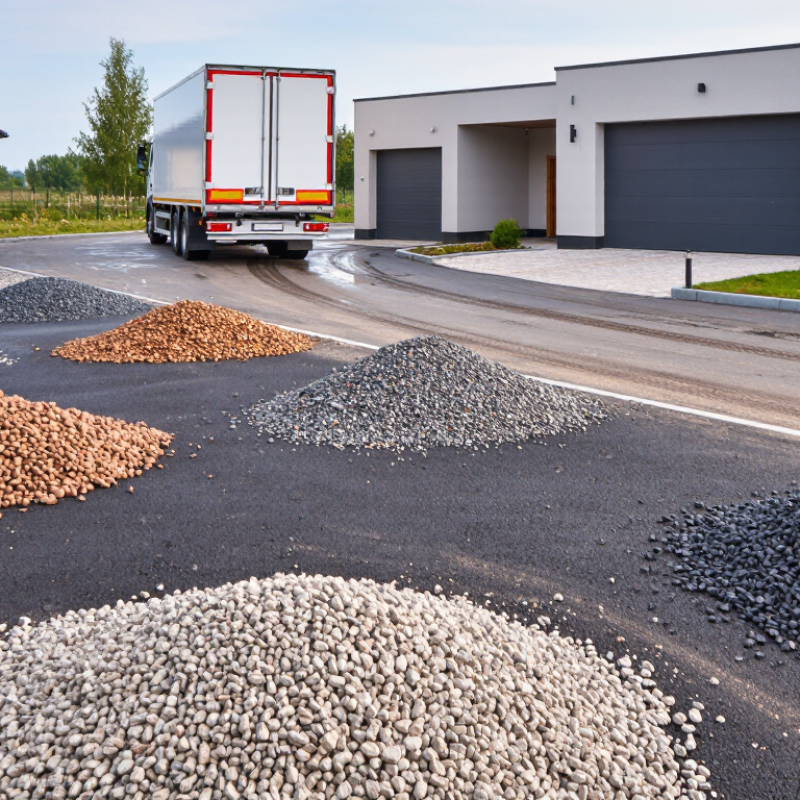
2026 Top Driveway Gravel Types for Global Buyers?

What Is Driveway Gravel and Why Does Type Matter in 2026?

What Is Driveway Gravel and Why Does Type Matter in 2026?

Driveway gravel is a compacted surface made from natural stone, crushed rock, or recycled aggregate. It is not one uniform material. Particle size, shape, dust content, and mineral hardness determine how the driveway performs.

The USGS Mineral Commodity Summaries 2025 estimated 2024 U.S. construction sand and gravel production at about 960 million metric tons. Crushed stone production reached roughly 1.5 billion metric tons.

These figures show the scale of aggregate supply, but they do not guarantee equal quality for every driveway.

Choosing the Right Gravel Structure

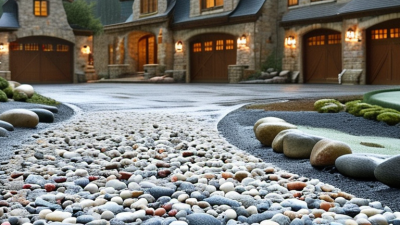
Crushed stone with angular edges usually locks together better than rounded pea gravel. A graded blend, often containing fines, can form a firmer surface after watering and compaction. Pea gravel looks attractive, yet it may shift beneath tires and spread into drainage channels. Larger river stone can improve appearance, but it often creates unstable wheel paths.

The Federal Highway Administration recommends well-graded aggregate for durable gravel-road surfaces, with drainage and regular maintenance treated as essential design factors.

Site conditions still matter more than a popular product label. Freeze-thaw regions need resistant stone and adequate crown. Wet locations need a stable base and side drainage. Dry, high-traffic sites may require deeper layers.

I would not call one gravel type universally best. That assumption fails surprisingly often.

Buyers should request gradation data, abrasion results, moisture guidance, and local installation advice before comparing prices.

How to Compare the Main Types of Driveway Gravel

Choosing driveway gravel requires more than comparing color and price. The base, climate, slope, and vehicle weight all affect performance. Crushed stone usually locks together well because its angular edges create a stable surface. It suits sloped driveways and regular vehicle traffic. However, sharp particles may feel rough underfoot and can enter tires or nearby drains.

Pea gravel is smoother and often cheaper to spread. It feels comfortable beside homes, but its rounded pieces move easily under tires. It may need frequent raking, especially after heavy rain.

Quarry screenings contain fine particles that compact tightly and reduce loose movement. They can create a firm finish, though dust and muddy patches may appear during dry or wet weather.

River gravel looks attractive, but larger rounded stones usually perform poorly as the main driving layer. It is better used for borders or drainage areas.

Compare samples before ordering. Pour each type into a shallow tray and spray it with water. Observe drainage, dust, and how easily the stones shift.

Ask suppliers about particle size, fines content, and local delivery conditions. A well-graded mixture often performs better than a single-size product.

Still, no material wins every driveway. A neglected base can ruin an excellent gravel choice. I would also question unusually low prices; missing fines or inconsistent sizing may create repair costs later. Expect trade-offs.

Which Gravel Works Best for Different Climates and Driveway Uses?

Choosing driveway gravel in 2026 starts with climate, not color. In rainy regions, angular crushed stone locks together and sheds water when properly crowned. A compacted base beneath it matters more than a decorative top layer. I have seen attractive gravel fail after one wet season because drainage was ignored. Use geotextile fabric where soft soil rises, although fabric cannot repair a weak base.

Cold climates need frost-resistant aggregate with limited fine dust. Sharp-edged gravel usually stays more stable during freeze-thaw movement than rounded river gravel. Install a deep sub-base, especially where snowplows and heavy vehicles are common. Smaller chips may create a smoother walking surface, but they can scatter under turning tires. That trade-off deserves attention.

Hot, dry areas often benefit from pale limestone or other light-colored crushed stone. It can reflect more sunlight and feel less harsh under summer heat. For daily passenger cars, compactable gravel around 10–20 millimeters works well. Farm access roads may need larger, tougher pieces and thicker layers. Pea gravel looks attractive, but its rounded shape shifts easily on slopes. Local quarry testing remains important because stone strength, drainage, and dust levels vary widely. No option is perfect. Testing a small section after rain and vehicle use may prevent an expensive mistake.

2026 Top Driveway Gravel Types for Global Buyers

Typical particle-size ranges and best-fit driveway applications by climate and use.

Dense-graded aggregates with fines, such as crushed stone base and decomposed granite, compact well and are generally suitable for vehicle traffic. Angular crushed gravel provides stronger interlock and performs well on slopes or in wet conditions. Pea gravel and river rock offer good drainage but move more easily under tires, making them better for light-use paths, decorative areas, or well-contained driveways. In freeze-thaw climates, prioritize angular, well-draining layers and proper subgrade preparation.

What Global Buyers Should Check Before Importing Driveway Gravel

Imported driveway gravel is not simply a color choice. Buyers should verify the quarry, rock type, grading, and intended traffic load. The U.S. Geological Survey’s Mineral Commodity Summaries 2025 places U.S. construction sand and gravel output near one billion metric tons in 2024. That scale highlights a practical concern: large supply does not guarantee consistent quality.

Request a recent sieve analysis based on ASTM C136/C136M and fines testing under ASTM C117. Check the percentage passing the 0.075 mm sieve, because excessive dust can create muddy surfaces and poor drainage. Ask for Los Angeles abrasion results, water absorption, and freeze-thaw data when shipments enter colder regions. EN 13242 may apply in some markets, but destination standards must be confirmed locally. Wet stone deceives.

Before ordering, inspect retained samples from the exact quarry, not only polished photographs. Compare the sample’s 10–20 mm pieces with the proposed product description. Confirm moisture assumptions, bulk density, loading weight, container limits, and unloading access. A damp shipment can weigh more than expected and change the delivered cost. I would also request quarry-origin records, an independent laboratory report, a commercial invoice, packing details, and the correct customs classification. Import rules differ by destination, so a licensed customs adviser should verify documentation.

The World Bank’s Logistics Performance Index 2023 shows continuing differences in border reliability and shipment tracking between countries. Plan for delays. Ask for sealed loading photos and weighbridge records. A perfect specification may still fail if the receiving site has weak drainage. That part is easy to overlook.

How to Choose the Right Gravel Size, Color, and Maintenance Level

2026 Top Driveway Gravel Types for Global Buyers

How to Choose the Right Gravel Size, Color, and Maintenance Level

For global buyers, driveway gravel should match local weather, soil, and traffic. Crushed stone usually offers better stability because its angular edges lock together. Pea gravel feels softer underfoot, but it can shift easily on slopes. A practical surface size is often 9–19 mm, while larger stones may improve drainage beneath it. Always check regional aggregate standards before ordering.

Color affects heat, appearance, and maintenance. Light gray or beige gravel can make a driveway look larger and reflect more sunlight. Dark stone creates contrast, but it may show dust and tire marks quickly. Request a physical sample. Online images can misrepresent color under different lighting. This small step prevents expensive disappointment.

Maintenance depends on traffic and installation quality. A compacted base, correct edging, and reliable drainage reduce rutting after heavy rain. Low-maintenance driveways usually need angular gravel, proper depth, and occasional grading. Loose decorative stone may require frequent raking. Keep spare gravel available for worn areas. It helps.

Field inspections often reveal a simple problem: buyers focus on color before checking soil conditions. That choice can backfire. Clay-heavy ground may need stronger separation and drainage layers. In freeze-thaw regions, poor preparation causes movement. I would also avoid promising a completely maintenance-free surface. Even well-built gravel changes with weather, vehicles, and time.

2026 Top Driveway Gravel Types for Global Buyers? – How to Choose the Right Gravel Size, Color, and Maintenance Level
Gravel Type Typical Size Common Colors Surface Stability Recommended Driveway Use Maintenance Level Key Advantages Important Considerations
Crushed Stone 9.5–19 mm (3/8–3/4 in) Gray, blue-gray, tan, brown High when angular particles are compacted Full driveway surfaces, top layers, and high-traffic access roads Low to medium Angular edges interlock well; widely available; suitable for vehicle traffic; good drainage when properly graded Sharp edges may be less comfortable for walking; dust can occur in dry weather; requires a firm, well-drained base
Crusher Run 0–38 mm (0–1 1/2 in), including stone dust Gray, beige, reddish-brown Very high after compaction Base course, driveway foundation, and budget-oriented permanent surfaces Low Fine material fills voids between larger stones; compacts into a dense, stable layer; reduces rutting Not ideal for areas requiring rapid water infiltration; may become muddy if installed without adequate drainage
Pea Gravel 6–13 mm (1/4–1/2 in) Natural tan, cream, gray, brown, mixed earth tones Medium to low unless edged or stabilized Decorative driveways, light-traffic residential areas, and driveway borders Medium to high Rounded appearance; comfortable underfoot; attractive natural color range; generally good drainage Rounded stones shift under tires; can migrate onto roads and paths; edging and periodic raking are usually needed
River Gravel 20–75 mm (3/4–3 in) Gray, tan, brown, cream, multicolor Low for the main driving surface Driveway borders, drainage channels, landscape transitions, and decorative accents Medium Highly decorative; rounded stones create a natural appearance; excellent for visible drainage areas Large rounded stones are unstable under vehicles; generally unsuitable as the primary driveway wearing course
Decomposed Granite 0–6 mm (0–1/4 in); stabilized grades may include a binder Gold, buff, reddish-brown, gray, charcoal Medium; high when stabilized and compacted Natural-style driveways, low-speed residential access, and properties with a landscape-focused design Medium Fine texture; natural appearance; compacts relatively well; can provide a firm surface when correctly installed May erode or produce dust during heavy rain or dry periods; periodic topping and grading may be required
Limestone Gravel 9.5–25 mm (3/8–1 in); fines may be included Light gray, white, cream, buff High with angular grading and compaction General driveways, rural access roads, and projects requiring a light-colored surface Low to medium Angular particles interlock effectively; light color reflects more sunlight; commonly used in road construction Can show dirt and tire marks; calcareous material may react with acidic soil or water; local suitability should be checked
Marble Chips 13–25 mm (1/2–1 in) White, bright cream, pale gray Medium Decorative driveway surfaces, borders, and low-to-moderate traffic areas Medium Clean, bright appearance; complements modern and Mediterranean-style properties; can improve visual contrast Higher surface temperature in strong sunlight; may glare; rounded or smooth pieces can move unless contained
Basalt or Dark Volcanic Gravel 9.5–19 mm (3/8–3/4 in) Black, charcoal, dark gray High when angular and compacted Modern residential driveways, high-contrast landscape designs, and decorative top layers Low to medium Strong visual contrast; angular particles can provide good stability; often suitable for contemporary designs Dark surfaces absorb more heat; dust and light-colored debris are visible; availability and shipping distance can affect cost
Recycled Concrete Aggregate 0–38 mm (0–1 1/2 in) Gray, pale beige, mixed concrete tones High after grading and compaction Driveway base layers, utility access roads, and projects prioritizing recycled materials Low Reuses recovered construction material; can compact effectively; often suitable for structural base applications Appearance may be less uniform; quality depends on processing and contamination control; confirm local environmental requirements
Gravel with Fines 0–25 mm (0–1 in), with sand- or dust-sized particles Gray, tan, brown, reddish-brown High after proper compaction Base and surface layers where a firm, packed finish is preferred Low to medium Fines bind larger stones together; good resistance to displacement; typically easier to grade than clean stone Less permeable than clean gravel; can retain moisture and form mud if drainage and subgrade preparation are poor
Selection note: For most vehicle driveways, use a compacted, well-drained base with angular aggregate, then select the top layer according to appearance, traffic level, climate, and maintenance expectations. Exact performance depends on subgrade soil, drainage, compaction, local weather, and aggregate quality.