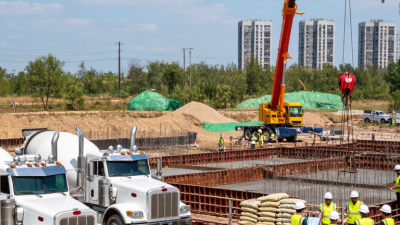
Buying concrete ready mix across borders is not a simple price comparison. It is a decision about materials, timing, testing, communication, and risk.
A useful foundation comes from A.M. Neville, a respected concrete technology author. He wrote, “Concrete is a composite material which consists essentially of a binding medium within which are embedded particles or fragments of aggregate.” This definition matters to global buyers because every component can affect performance. Cement type, aggregate grading, water quality, admixtures, and batch consistency deserve careful review. A low quotation may hide expensive transport delays, unsuitable specifications, or weak technical support.
The seven tips in this guide turn those concerns into practical buying actions. They cover supplier verification, mix design, quality documents, delivery planning, payment terms, and site coordination. Ask for recent test reports. Check production capacity. Confirm whether the supplier understands your climate and construction method. A supplier may look perfect on paper. That is not enough.
Small details can decide the outcome. A truck arriving two hours late may create cold joints. Incorrect slump can slow pumping and damage placement quality. Even a strong laboratory result may not reflect field conditions. Buyers should compare evidence, not promises. I have seen purchasing teams focus heavily on unit cost, then overlook storage, testing, and customs coordination. That approach needs reflection. The cheapest concrete ready mix is not always the most economical choice. Careful questions, written specifications, and realistic schedules create a more reliable supply decision for international projects.

Before requesting prices, write a clear project brief. State the element type, volume, placement method, and construction schedule. Specify required strength at the correct testing age, usually 28 days. Include slump, air content, maximum aggregate size, and exposure conditions. Marine structures may require tighter chloride limits. Cold regions may need freeze-thaw resistance. These details prevent suppliers from comparing different concrete mixtures.
Performance standards must match the project location and contract documents. Common references include EN 206 and ASTM C94/C94M, but local requirements may differ. Ask the supplier to identify the applicable standard, testing method, and acceptance criteria. Request mix design data, recent test results, cement type, admixture details, and aggregate sources. Keep batch tickets for traceability. Delivery temperature and discharge time also matter. A strong mix can still fail after poor handling.
During one procurement review, the buyer focused heavily on compressive strength. The specification ignored pump distance and warm-weather delivery. That gap created placement delays and inconsistent slump. It was a useful mistake, but an avoidable one. Require trial batches when the concrete has unusual durability demands. Confirm how nonconforming loads will be handled before ordering. Do not accept vague claims such as “high performance.” Define measurable limits, inspection frequency, and responsibility for independent testing. The cheapest quotation may conceal testing, waiting, or rejected-load costs.
Compare concrete strength classes before requesting quotations. The values below show characteristic 28-day compressive strengths commonly specified under EN 206: the first value is cylinder strength and the second is cube strength. Confirm the applicable local standard, exposure class, slump, aggregate size, and delivery conditions for each project.
Example selection guide: lower-strength mixes may suit general non-structural work, while higher classes are typically considered for structural elements subject to greater load or durability requirements. Final specifications must be approved by the project engineer.
Buying ready-mix concrete across borders requires more than comparing quoted prices. Verify the supplier before discussing volume or delivery schedules. Request business licenses, plant permits, insurance, and recent project references. Check whether documents match the legal entity on your contract. A missing detail matters.
Ask for production capacity by hour and by day. Compare it with your pour size, placement speed, and delivery window. A plant may claim high output, yet available mixer trucks can limit real capacity. Visit the facility, or arrange an independent inspection. Look for clean aggregate storage, covered cement, moisture controls, and calibrated scales. Ask to see maintenance records, not only polished photographs.
Quality controls should be documented from batching to discharge. Require mix designs, material certificates, batch tickets, slump records, temperature logs, and strength results. Confirm testing follows project standards and local regulations. A trial batch can expose problems early. Test workability at arrival, not only at the plant. Link samples and delivery records through batch numbers. No checklist is perfect. Paperwork can be outdated. Purchase teams often overlook truck turnaround, weather protection, and backup power. Capacity plans should include rejected loads, delays, and equipment downtime. A low quotation is not useful when quality records remain unclear.
Global buyers should compare concrete mix designs before comparing quoted prices. Check strength class, slump, aggregate size, cement type, admixtures, and curing requirements. A higher-strength mix may reduce structural volume, but it can increase cement content and cost. Request trial-batch results, not only a laboratory target. Concrete quality can change with moisture, temperature, and travel time. Small details matter.
Ask suppliers to separate material, pumping, loading, customs, insurance, and delivery charges. Calculate the delivered cost per cubic metre, not the invoice price alone. Fuel, waiting time, rejected loads, and minimum-order fees can quietly alter the final budget. The World Bank’s Commodity Markets Outlook shows energy prices remain volatile, affecting transport and cement-related production costs. According to the Global Cement and Concrete Association, cement and concrete systems contribute about 7% of global carbon emissions. Lower-carbon cement blends may reduce emissions, but availability and curing performance require verification. Do not assume the greenest option is automatically cheaper.
Use recognized requirements, such as EN 206 or ASTM C94, and request certificates for each batch. Confirm plant capacity near the project site. A practical delivery schedule should include traffic delays and hot-weather controls. I once treated distance as the main cost driver; that was incomplete. Load size, access, and waiting time mattered more. Compare at least three offers using the same mix specification, delivery window, testing plan, and payment terms. Keep a contingency for rejected or late loads.
| Tip | Typical Mix Design | Key Technical Specifications | Indicative Concrete Price | Delivery Cost Benchmark | Estimated Delivered Cost | Practical Buying Action |
|---|---|---|---|---|---|---|
| 1 | General-Purpose Concrete C20/25 |
Characteristic cylinder strength: 20 MPa Characteristic cube strength: 25 MPa Typical slump: 75–125 mm Suitable for: blinding, footpaths, light-duty slabs |
US$85–125/m³ | US$8–20/m³ for a local delivery radius of approximately 10–20 km | US$93–145/m³ | Confirm whether the project requires structural concrete before selecting the lowest-strength option. |
| 2 | Standard Structural Concrete C25/30 |
Characteristic cylinder strength: 25 MPa Characteristic cube strength: 30 MPa Typical water–cement ratio: ≤0.60 Suitable for: residential foundations, beams, columns, suspended slabs |
US$90–135/m³ | US$10–24/m³ depending on distance, traffic, and minimum-load requirements | US$100–159/m³ | Compare the quoted strength class, slump, exposure class, and testing requirements—not only the cubic-meter price. |
| 3 | Durable Structural Concrete C30/37 |
Characteristic cylinder strength: 30 MPa Characteristic cube strength: 37 MPa Typical water–cement ratio: ≤0.55 Suitable for: commercial structures, parking decks, heavily loaded slabs |
US$100–150/m³ | US$10–26/m³; longer haul distances may require dispatch planning and additional truck cycles | US$110–176/m³ | Request the proposed cement content, admixture type, aggregate size, and trial-mix performance data. |
| 4 | High-Durability Concrete C35/45 |
Characteristic cylinder strength: 35 MPa Characteristic cube strength: 45 MPa Typical water–cement ratio: ≤0.50 Suitable for: marine exposure, industrial floors, infrastructure elements |
US$110–165/m³ | US$12–30/m³, with possible surcharges for strict delivery windows or difficult access | US$122–195/m³ | Specify exposure conditions such as chloride, sulfate, freeze–thaw, or abrasion risk in the purchase order. |
| 5 | High-Strength Concrete C40/50 |
Characteristic cylinder strength: 40 MPa Characteristic cube strength: 50 MPa Typical water–cement ratio: ≤0.45 Suitable for: high-rise columns, transfer structures, heavily loaded industrial works |
US$125–190/m³ | US$14–35/m³; pumping, restricted access, and extended discharge times can increase total cost | US$139–225/m³ | Verify pumpability, setting time, temperature control, and compressive-strength testing arrangements before ordering. |
| 6 | Economical Mix Optimization Performance-Based |
Strength and durability are specified by performance rather than a fixed cement recipe. May use supplementary cementitious materials such as fly ash or slag where locally approved. Suitable for: projects focused on lifecycle cost and lower embodied carbon |
US$80–155/m³ | US$8–28/m³; availability of approved local materials can materially affect the delivered price | US$88–183/m³ | Compare embodied carbon, curing time, early-strength requirements, testing costs, and long-term durability—not just initial price. |
| 7 | Small-Volume or Time-Critical Order Any Strength Class |
Applies when the order is below the supplier’s standard truckload or requires a fixed delivery slot. Potential additions: minimum-load charge, waiting-time fee, pump fee, weekend fee, and washout charge |
Mix price + US$10–35/m³ equivalent | US$15–45/m³ equivalent for short-load, urgent, remote, or highly restricted deliveries | Often 10–35% above the base quotation | Ask for a complete landed-cost quotation covering concrete, transport, pumping, waiting time, taxes, testing, and delivery conditions. |
| Cost basis: The figures are indicative planning ranges in 2026 US dollars per cubic metre for ready-mix concrete. Actual prices vary by country, cement and aggregate availability, order volume, project location, fuel costs, taxes, exchange rates, delivery distance, pumping requirements, and local standards. Delivered cost should be calculated as concrete price + transport + applicable surcharges + pumping and testing charges. | ||||||
International ready mix purchasing is a timing problem, not only a price negotiation. Ready mix often needs placement within a defined period after water addition. Many specifications use a 90-minute limit, but local standards and approved admixtures may change it. Confirm the rule before signing. UNCTAD’s Review of Maritime Transport 2024 notes that over 80% of global trade by volume moves by sea. One port delay can therefore disrupt cement, aggregates, or admixture availability.
Tip
Request a route-level logistics plan. It should show the batching plant, export port, transshipment points, customs lead time, and backup delivery route. The World Bank’s Logistics Performance Index 2023 evaluates customs, infrastructure, tracking, and timeliness. Use these indicators when comparing sourcing countries. Also ask for temperature controls, loading records, and delivery confirmation. A low quoted price may hide storage charges, demurrage, or costly inland transport.
Tip
Build a risk buffer, but do not guess its size. Check weather patterns, port congestion, fuel exposure, currency movement, and alternative suppliers. The Global Cement and Concrete Association estimates cement production creates about 7–8% of global carbon dioxide emissions. Carbon rules may affect future costs and documentation. A practical weakness remains: buyers sometimes approve a supplier without testing local aggregate compatibility. Require trial batches, independent laboratory results, and clear rejection procedures. Mistakes happen. Better planning makes them visible earlier.
Global concrete purchases succeed when contracts describe measurable quality, not broad promises. Specify strength class, slump range, aggregate size, cement type, exposure conditions, and delivery temperature. Define the test standard and laboratory responsibility before production begins. Write acceptance rules clearly. Include batch tolerances, sampling frequency, rejection steps, replacement timing, and dispute evidence. Photos of delivery tickets and sealed samples can prevent costly arguments later.
Ask for a trial mix using materials intended for regular supply. Review the mix design, water-cement ratio, admixture dosage, and expected workability retention. An independent laboratory should verify compressive strength at seven and 28 days. Use calibrated scales, traceable equipment, and signed test records. Do not rely on one successful cube result. Inspect sampling methods. Poor sampling can misrepresent the concrete.
Ongoing assurance needs more than paperwork. Request batch-level records, dispatch times, truck numbers, and corrective-action reports. Compare site slump checks with supplier results, then investigate repeated differences. Set review dates for mix changes, raw-material sources, weather adjustments, and equipment maintenance. In practice, rushed pours create gaps. Even careful teams can miss a late test result. Record the problem, correct it, and revise the process. A reliable supplier should welcome this scrutiny, not treat it as distrust.
Get a personalized quote tailored to your project needs. Request a quote today and let us help you build with passion.
Looking for a concrete contractor you can trust? Fill out the form below to get our recommendations sent to your inbox.