How to Choose the Best Driveway Gravel for Your Home in 2025
When it comes to enhancing the curb appeal and functionality of your home, choosing the right driveway gravel plays a crucial role. As we move into 2025, homeowners are increasingly recognizing the importance of selecting high-quality materials that not only complement their property's aesthetic but also provide durability and ease of maintenance. Driveway gravel offers a versatile and cost-effective solution, but with so many options available, the decision can feel overwhelming.
In this guide, we will explore the essential factors to consider when choosing driveway gravel for your home. From the different types of gravel, such as crushed stone or pea gravel, to the impact of color and texture on your overall landscape design, understanding these elements will help you make an informed choice. Additionally, we will discuss practical considerations like drainage, stability, and installation techniques to ensure your driveway not only looks great but lasts for years to come. By the end of this article, you will be equipped with the knowledge to select the best driveway gravel that meets your needs and enhances the beauty of your home.

Understanding Your Driveway Gravel Options: Types and Sizes
When selecting gravel for your driveway, understanding the different types and sizes available is crucial to making an informed decision. Common options include crushed stone, pea gravel, and limestone. Crushed stone is a popular choice due to its durability and solid base, making it suitable for heavy traffic areas. Pea gravel, on the other hand, offers a softer texture and aesthetic appeal, which can enhance the overall look of your landscape while providing good drainage. Limestone is known for its affordability and versatility, offering a range of sizes to meet various needs.
The size of the gravel you choose also plays a significant role in the functionality and appearance of your driveway. Smaller gravel, typically under 3/8 inch, is ideal for areas with minimal traffic, providing a smooth surface and easy accessibility. Conversely, larger stones, such as 3/4 inch or more, can support heavier loads and are better suited for high-traffic driveways. Additionally, consider the depth of the gravel layer; a minimum of 4 to 6 inches is recommended for optimal performance and longevity. By understanding these options and factors, you can select the best driveway gravel that meets both your practical and aesthetic preferences.
Driveway Gravel Options: Types and Sizes
This chart illustrates the popularity of various driveway gravel types on a scale from 1 to 10. Pea Gravel and Limestone lead in preference for homeowners, while River Rock has the lowest popularity among the options presented.
Evaluating the Cost Effectiveness of Common Driveway Gravels
When considering driveway gravel options for your home in 2025, one of the essential factors to weigh is the cost-effectiveness of the various materials available. Different types of gravel, such as crushed stone, pea gravel, and decomposed granite, have distinct price points and characteristics that influence their value for your investment. For example, while crushed stone tends to be more affordable and widely available, it may require regular maintenance to keep it looking presentable. Conversely, higher-grade options like washed gravel might carry a steeper initial cost but can offer better drainage and longevity, which may save you money on repairs and replacements in the long run.
Additionally, it is crucial to factor in installation expenses and the longevity of each type of gravel when evaluating cost-effectiveness. If a particular gravel type is less expensive but requires frequent replenishing or extensive installation efforts, it may ultimately lead to higher expenses over time. Therefore, homeowners should not only focus on the upfront costs but also consider how each option fits into the broader picture of maintenance, durability, and aesthetic appeal. By thoroughly analyzing these factors, it's possible to choose a gravel type that not only suits your financial considerations but also enhances the beauty and functionality of your driveway.
Considerations for Climate Impact on Gravel Durability and Selection
When selecting driveway gravel for your home in 2025, it’s crucial to consider how climate change may impact the durability and suitability of different materials. With increasing rainfall and temperature fluctuations, the chosen gravel needs to withstand these varying conditions. Look for gravel types that offer superior drainage capabilities to prevent water pooling and erosion. Understand the local climate patterns and choose materials that can handle both heat and cold cycles without breaking down.
Tips: Always conduct a localized assessment to determine the climate resilience of different gravel options. Consulting with local experts can provide insights into materials that have previously withstood the test of local weather conditions. Additionally, consider the use of stabilizers that enhance gravel durability while providing better support for vehicle traffic.
Another essential factor is the eco-impact of your gravel choice. Sustainable options not only reduce the carbon footprint but also support better environmental health. Opt for gravel sourced from local quarries to minimize transportation emissions and support regional economies. Research the lifecycle of the gravel, from extraction to installation, to ensure it aligns with eco-friendly practices.
Tips: Always ask about the sourcing of your gravel to understand its environmental impact. You can also explore recycled gravel options, which provide unique aesthetic benefits while contributing to sustainability efforts in your community.
Calculating the Required Volume of Gravel for Your Driveway Project
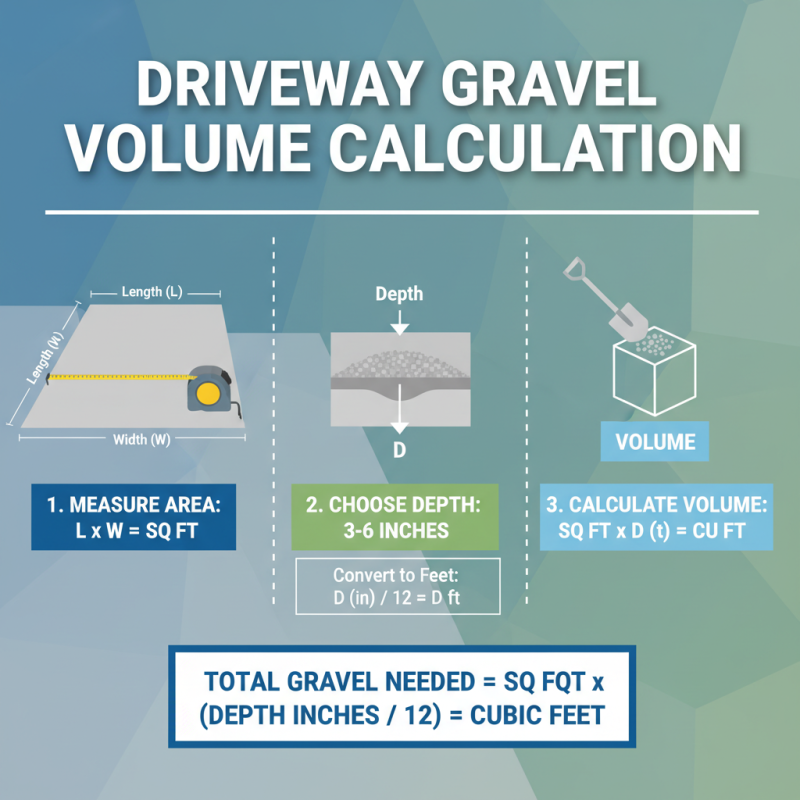
When planning a driveway gravel installation, accurately calculating the required volume of gravel is essential to achieving a smooth and functional surface. To start, measure the length and width of the area where you intend to lay the gravel. Multiply these dimensions to determine the total square footage. It’s also important to decide on the depth of gravel you would like to apply, which typically ranges from 3 to 6 inches. By converting the depth into feet and multiplying it by the square footage, you can find the volume in cubic feet.
Once you have the cubic feet calculation, it’s beneficial to convert this measurement into cubic yards, which is the standard way gravel is sold. To do this, divide the total cubic feet by 27, since one cubic yard equals 27 cubic feet. This conversion ensures that you purchase the correct amount of gravel, preventing shortages or excess materials. It's wise to account for a slight overage, usually about 10%, to accommodate for settling or compaction, ensuring your driveway remains well-maintained over the years.
Sustainability in Gravel Sourcing: Eco-Friendly Options for 2025
As homeowners increasingly seek sustainable options for landscaping, the choice of driveway gravel has evolved to reflect concerns for the environment. In 2025, selecting eco-friendly gravel goes beyond aesthetics; it embodies a commitment to sustainable sourcing practices. Recycled materials, such as crushed concrete and reclaimed stone, provide a durable and attractive alternative to traditional gravel, significantly reducing the demand for new resources. This not only lessens the ecological footprint but also promotes a circular economy by giving new life to reclaimed products.
Additionally, many suppliers are now prioritizing gravel sourced from quarries that adhere to sustainable extraction methods. This includes practices that minimize land disruption and restore the natural habitat after quarrying. Organic alternatives, like permeable gravel options, allow for better water absorption and reduce runoff, making them an ideal choice for environmentally conscious homeowners. By considering these eco-friendly options when choosing driveway gravel, homeowners can make a significant contribution to environmental preservation while enhancing the curb appeal of their homes.
How to Choose the Best Driveway Gravel for Your Home in 2025 - Sustainability in Gravel Sourcing: Eco-Friendly Options for 2025
| Gravel Type |
Sustainability Rating |
Cost per Ton |
Durability (Years) |
Installation Difficulty |
| Recycled Asphalt |
High |
$30 |
10-15 |
Easy |
| Crushed Stone |
Medium |
$50 |
5-10 |
Moderate |
| Decomposed Granite |
High |
$40 |
7-12 |
Easy |
| River Rock |
Low |
$60 |
15-20 |
Hard |