Why is the Cost of Gravel Driveways Varying and How Can You Save Money
When considering the installation of a gravel driveway, many homeowners are often surprised by the varying gravel driveway cost. The price can fluctuate significantly based on a variety of factors, including the type and quality of gravel used, regional pricing differences, and the complexity of the installation process. Understanding these variables is crucial for homeowners looking to make informed decisions and manage their budgets effectively.
Additionally, the method of installation, whether it’s a simple DIY project or a professional job, can greatly influence overall costs. There are also opportunities for cost savings through careful planning and choosing the right materials. By examining these factors closely, homeowners can gain better insight into the aspects of gravel driveway cost and explore practical ways to reduce expenses without compromising quality or aesthetics. This guide aims to provide valuable information on the costs associated with gravel driveways and tips for maximizing savings, helping homeowners create functional and attractive driveways that fit their budgets.
Factors Influencing the Cost of Gravel Driveways
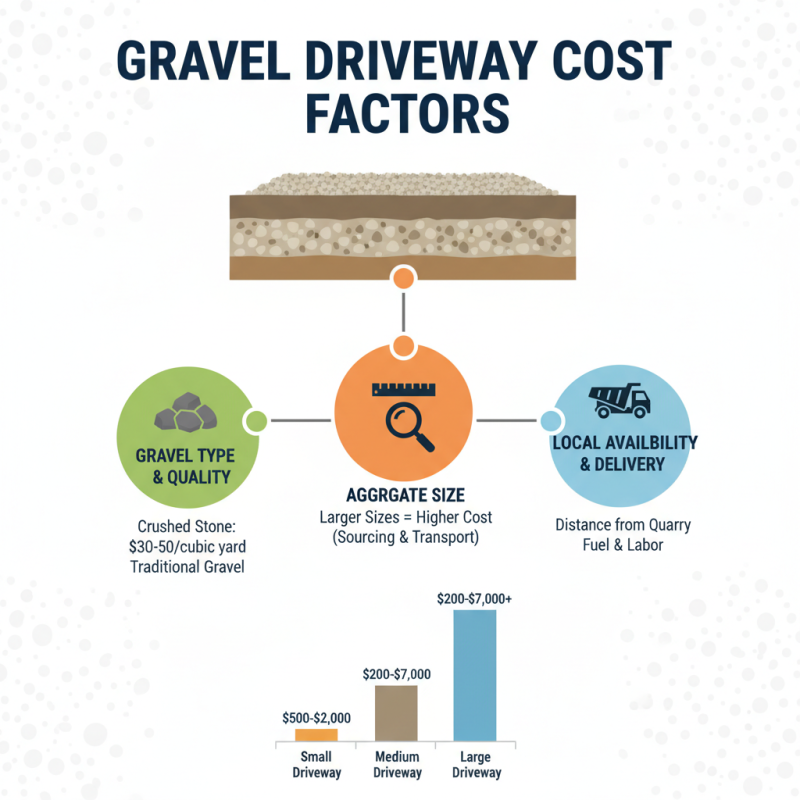
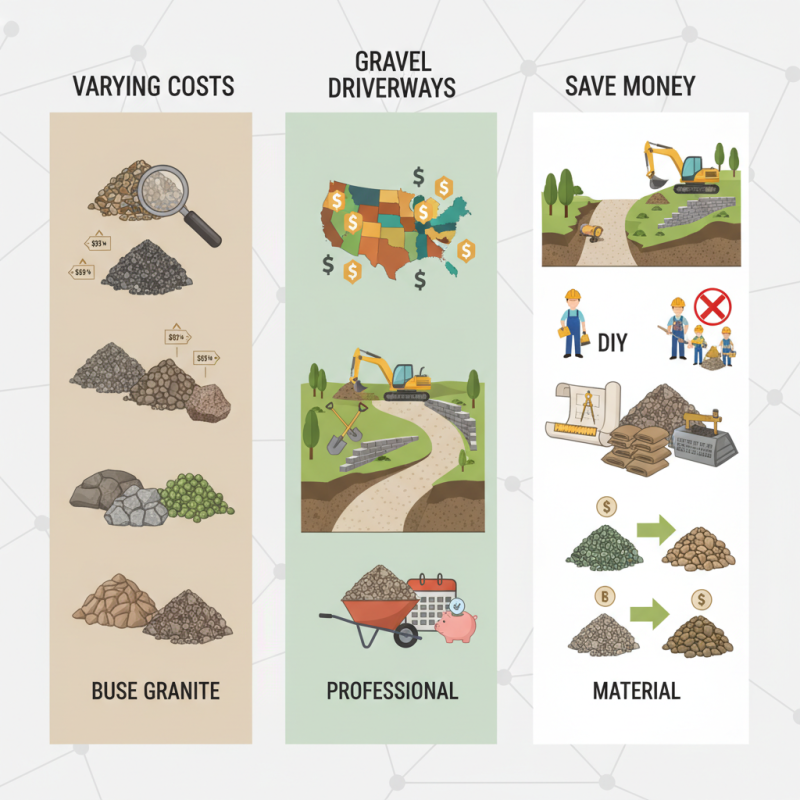
When considering the installation of a gravel driveway, several factors can significantly influence the overall cost. Firstly, the type and quality of gravel selected plays a crucial role. According to industry reports, the price of gravel can range from $10 to $50 per cubic yard, depending on the material's characteristics and local availability. For instance, crushed stone tends to be more expensive than traditional gravel due to its durability and aesthetic appeal. Additionally, larger aggregate sizes could also increase costs as they are typically harder to source and transport.
The size and preparation of the driveway site are also essential factors. According to the National Association of Home Builders (NAHB), the average cost for preparing and grading a driveway can be between $1 and $3 per square foot. This preparation includes excavating the existing soil and leveling the area to ensure proper drainage, which is vital in preventing future maintenance issues. Furthermore, geographic location can impact labor costs significantly. In regions with higher demand for landscaping services, homeowners might encounter rates that are 20% to 30% higher than in less populated areas. Understanding these elements can help homeowners make informed decisions and potentially save money during the installation of their gravel driveway.
Comparison of Gravel Types and Their Pricing
When considering a gravel driveway, understanding the different types of gravel and their associated costs is crucial for making an informed decision. The main types of gravel used for driveways include pea gravel, decomposed granite, crushed stone, and quarry process stone. Each type has distinct characteristics, affecting both aesthetics and functionality. For instance, pea gravel is known for its smooth, rounded edges and typically costs between $30 to $55 per cubic yard, making it a popular choice for a soft appearance. In contrast, crushed stone, which has sharper edges and more angular shapes, can range from $25 to $50 per cubic yard, providing a more stable surface for heavy vehicular traffic.
Cost variations arise not only from the type of gravel but also factors such as regional availability and delivery costs. According to industry reports, transport costs can account for 50% or more of the total installation cost, especially if the gravel is sourced from far-off quarries. This can significantly impact the overall pricing depending on where you live. Furthermore, specialized gravel types, such as those used for decorative driveways, can be more expensive, sometimes exceeding $100 per cubic yard, highlighting the need for a budget-conscious approach when selecting materials.
To save money on gravel driveways, consider sourcing locally available materials. This reduces transportation costs and can lead to significant savings. Additionally, opting for a blend of different gravel types could optimize both cost and durability while allowing for a customized look that suits your property. Utilizing recycled gravel can also be a more affordable and environmentally friendly option. With thoughtful planning and selection, homeowners can achieve a beautiful and functional driveway without breaking the bank.
Labor Costs: Understanding Installation Expenses
When considering the installation of a gravel driveway, one of the most significant factors influencing the overall cost is labor expenses. Labor costs can vary widely depending on location, the complexity of the project, and the experience level of the workers. In areas with a high demand for construction services, you may find that labor rates are noticeably higher. Additionally, if the installation involves intricate designs, significant grading, or landscaping integration, the labor required may increase, resulting in higher overall costs.
To save money on labor expenses, homeowners can take several strategic steps. One approach is to engage in some do-it-yourself (DIY) work, such as clearing the area or sourcing the gravel independently. This can help reduce the total labor hours required and thus lower costs. Furthermore, it’s beneficial to gather multiple quotes from different contractors to compare rates. Some companies may offer seasonal discounts or bundled services, so keeping an eye out for promotions can lead to substantial savings. By understanding these factors and being proactive in the planning stage, homeowners can effectively manage labor costs during the installation of their gravel driveways.
Cost of Gravel Driveways: Labor Costs and Installation Expenses
Tips for Reducing Gravel Driveway Costs
When it comes to installing or maintaining a gravel driveway, costs can quickly add up. However, there are several strategies homeowners can employ to reduce expenses without sacrificing quality.
One effective method is to carefully plan the driveway's layout and size. By accurately measuring the area and determining the appropriate depth of gravel needed, you can avoid overbuying materials and minimize unnecessary expenses. Additionally, considering the use of locally sourced gravel can significantly decrease delivery charges and help you find more affordable options.
Another way to cut costs is by handling some of the labor yourself. If you have basic landscaping skills and tools, you can save on labor costs by preparing the site, laying down the gravel, or regularly maintaining the driveway. Seeking help from friends or family can also reduce the burden and make the job more manageable. Furthermore, performing maintenance tasks like re-leveling or adding fresh gravel over time can extend the lifespan of your driveway, ultimately saving you money in the long run. Investing time and effort into these aspects will help ensure that your gravel driveway remains functional and visually appealing without breaking the bank.
Long-term Maintenance Considerations for Gravel Driveways
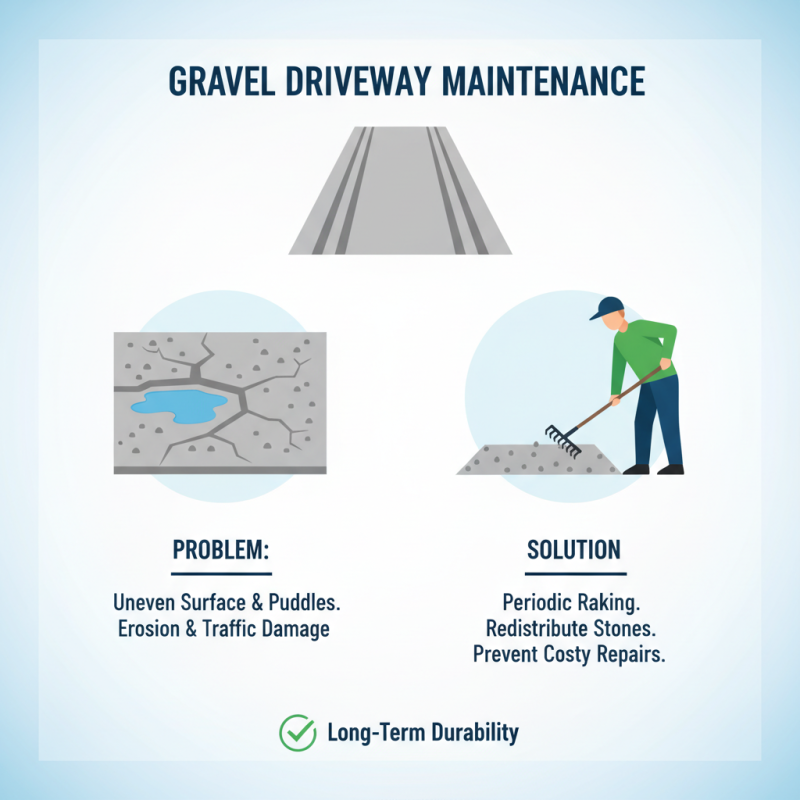
When installing a gravel driveway, long-term maintenance is a crucial aspect that homeowners often overlook. Gravel driveways require periodic raking to redistribute the stones and maintain an even surface. Over time, traffic and natural erosion can lead to uneven patches, which can create puddles during rain and eventually damage the driveway. Regular maintenance can prolong the life of the driveway and prevent larger, more costly repairs.
Another key maintenance consideration is the need for weed control, as weeds can grow between the gravel stones and detract from the overall appearance. Employing landscape fabric beneath the gravel can mitigate this issue, reducing the time and effort spent on weeding. Additionally, periodically replenishing the gravel can help maintain its aesthetic appeal and functionality, especially after heavy rain or snow. Homeowners should consider these factors in their budgeting, as investing in regular maintenance can save significant costs in the long run.