“10 Essential Tips for Choosing the Best Driveway Gravel for Your Home”
When it comes to enhancing your home's curb appeal and functionality, driveway gravel plays a crucial role in creating an inviting entrance. According to renowned landscaping expert Jane Smith, “Choosing the right driveway gravel not only improves the aesthetics of your property but also affects its durability and maintenance.” With a plethora of options available, homeowners often find themselves overwhelmed by the choices. Therefore, understanding the different types of driveway gravel and their respective benefits is essential for making an informed decision.
In this guide, we will explore ten essential tips to help you select the best driveway gravel for your home. From the varying textures and colors to the practical concerns of drainage and stability, each aspect will be discussed to equip you with the necessary knowledge. Whether you're looking to create a rustic charm or a sleek modern finish, the right driveway gravel can significantly impact your home's exterior appeal. Let’s dive into the expert insights and practical advice to ensure your driveway not only complements your home but stands the test of time.
Understanding Different Types of Driveway Gravel Materials
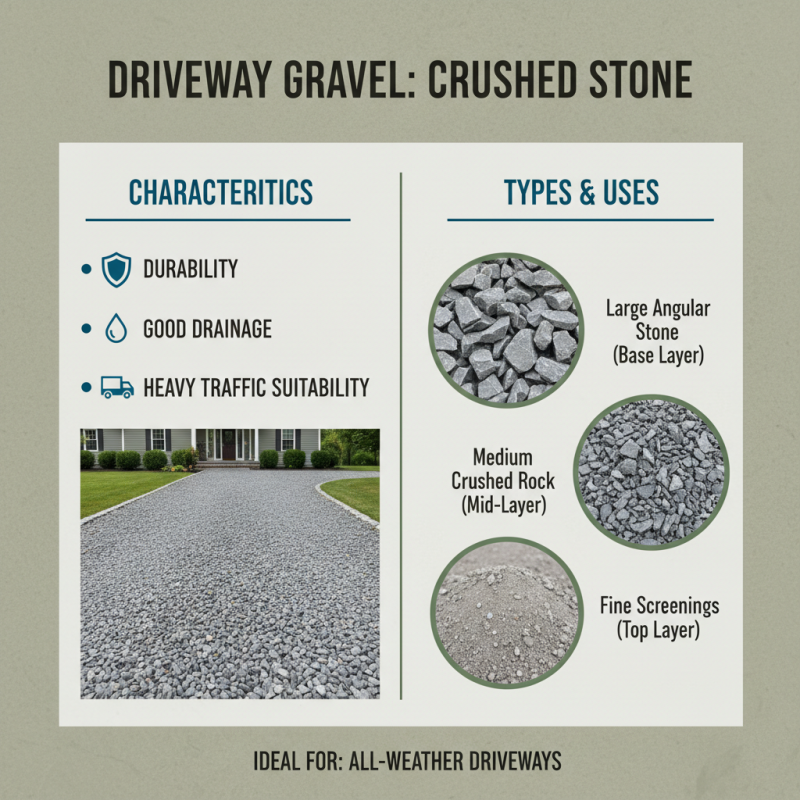
When choosing the best driveway gravel for your home, understanding the different types of gravel materials is crucial. Gravel can be broadly categorized into several types, each with its unique characteristics and suitability for various applications. One of the most common types is crushed stone, which is available in various sizes and shapes. Crushed stone is known for its durability and ability to provide good drainage, making it an ideal choice for driveways that experience heavy traffic.
Another popular option is pea gravel, which consists of small, smooth stones that are easy to walk on and visually appealing. This type of gravel is often chosen for its aesthetic qualities and is commonly used in pathways and decorative areas. However, pea gravel may not be the best option for driveways in areas with significant vehicular traffic since it can shift and may not provide the desired stability over time. Other materials to consider include river rock and decomposed granite, each offering different appearances and functionalities that can complement your home’s landscape. By understanding these options, homeowners can make an informed choice that aligns with their needs and preferences.
Evaluating the Cost and Budget for Your Gravel Driveway
When evaluating the cost and budget for your gravel driveway, it's essential to take a methodical approach. Start by determining the total area that needs to be covered. Measure the length and width of your driveway to calculate the square footage. This will help you estimate how much gravel you'll need, which is a significant part of your overall budget. Prices for gravel can vary widely based on the type and quality you select, so it's crucial to conduct thorough research.
Another tip is to consider the thickness of the gravel layer. A thicker layer may require more gravel upfront but can save costs in the long run by reducing maintenance needs. Additionally, keep in mind the base layer preparation that may be necessary, such as removing old material or leveling the surface. This additional work can impact overall costs, so including it in your budget is essential.
Lastly, don’t forget to factor in ongoing maintenance costs, such as occasional replenishment of gravel and any potential repairs from erosion or settling. Setting aside a portion of your budget for these future expenses can help ensure that your driveway remains in good condition over its lifespan. By taking these factors into account, you can effectively manage your spending while creating a functional and aesthetically pleasing gravel driveway for your home.
10 Essential Tips for Choosing the Best Driveway Gravel for Your Home
| Gravel Type |
Cost per Ton |
Ideal Uses |
Durability |
Maintenance |
| Class 5 Gravel |
$10 - $20 |
Driveways, Base Material |
High |
Low |
| Pea Gravel |
$15 - $30 |
Decorative, Pathways |
Medium |
Moderate |
| Crushed Stone |
$12 - $25 |
Driveways, Drainage |
High |
Low |
| Laravel Gravel |
$18 - $35 |
Driveways, Landscaping |
Medium |
Moderate |
| River Rock |
$20 - $40 |
Decorative, Erosion Control |
Medium |
High |
Assessing Drainage and Terrain for Optimal Gravel Selection
When selecting the best driveway gravel for your home, understanding your property's drainage and terrain characteristics is essential. Proper drainage helps maintain the integrity of your gravel driveway, preventing erosion and unwanted water pooling.
To assess drainage, observe how water flows on your property during rainfall. Consider areas where water collects and identify any slopes that may direct water towards or away from your proposed driveway location. Choosing gravel that promotes drainage, such as angular stones that lock together, can enhance stability and prevent displacement over time.
Additionally, evaluating the terrain is crucial in determining the appropriate type of gravel. A flat area may require different considerations than a sloped or uneven surface. For incline driveways, selecting a heavier gravel type can help resist movement while providing a solid foundation. Conversely, if your terrain is predominantly flat, you may have the flexibility to choose a wider variety of gravel options.
Tip: Always take the time to measure the area where you plan to lay gravel. This ensures that you purchase the correct amount and allows you to visualize how the gravel will complement your landscape. Remember, the right choice of gravel can enhance not only the functionality of your driveway but also its aesthetic appeal.
Considering Aesthetic Preferences and Color Options for Gravel
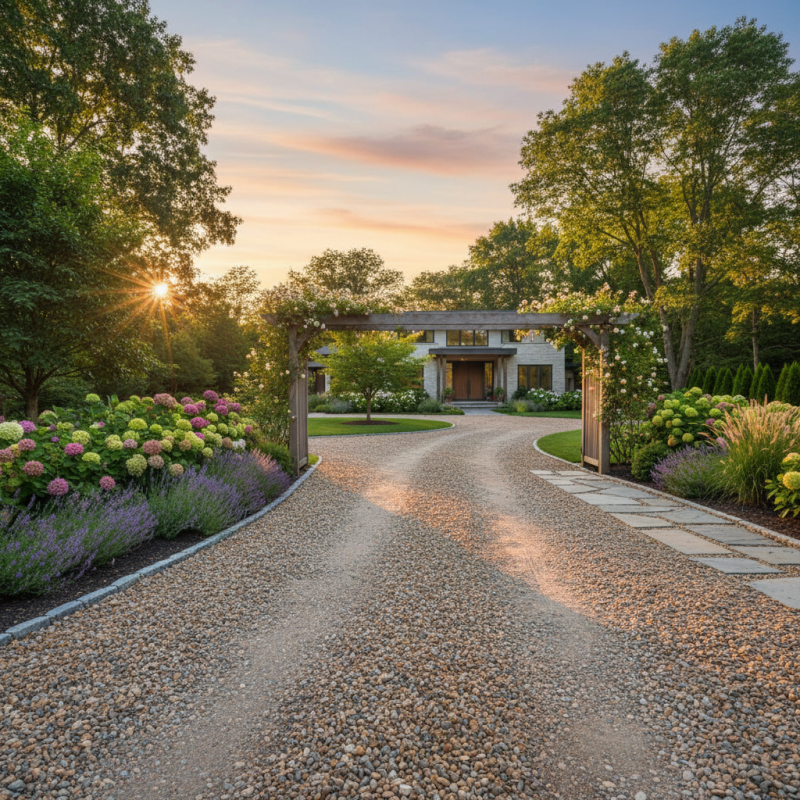
When selecting the right driveway gravel for your home, aesthetic preferences and color options play a crucial role. The color of gravel can significantly influence the overall appearance of your property, enhancing its curb appeal. For instance, lighter shades such as white or buff provide a modern, clean look, while darker hues like charcoal or basalt can create a more dramatic and sophisticated ambiance. According to a report by the National Association of Home Builders, approximately 70% of homebuyers consider curb appeal a primary factor in their purchasing decisions, making color selection a key element for homeowners looking to enhance their property's attractiveness.
Moreover, the texture and size of gravel can also contribute to its visual appeal. Coarse aggregates tend to provide a more rustic appearance, which can be ideal for country-style homes, while finer gravels offer a sleeker look suitable for contemporary designs. A study from the American Society of Landscape Architects indicates that selecting the right texture can improve both the aesthetic and functional aspects of a driveway, affecting not only how it looks but also how it performs under various weather conditions. Ultimately, understanding the interplay of color and texture can guide homeowners in making informed decisions that align with their stylistic preferences and enhance the value of their property.
Maintenance Tips for Extending the Life of Your Gravel Driveway
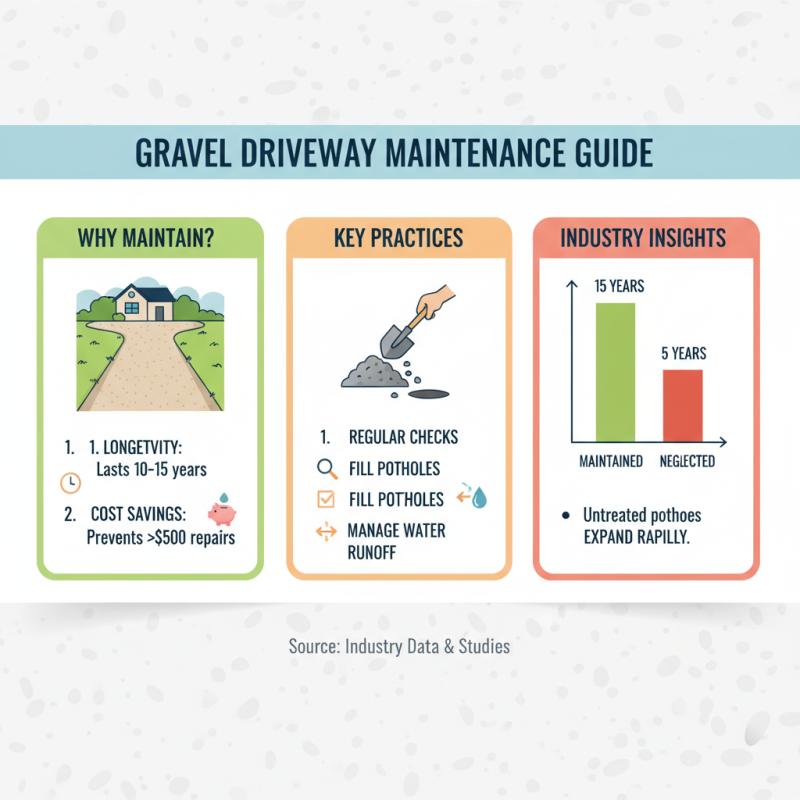
Maintaining a gravel driveway is essential for ensuring its longevity and aesthetics. Regular upkeep not only enhances its appearance but also reduces the likelihood of costly repairs. Industry data suggests that a well-maintained gravel driveway can last up to 10-15 years, depending on the frequency of use and local weather conditions. One of the key maintenance practices is to regularly check for and fill in any potholes or depressions that may develop due to erosion or water runoff. Studies indicate that untreated potholes can expand significantly over time, leading to a need for more extensive repairs that can cost upwards of $500.
In addition to filling potholes, it's crucial to manage drainage effectively to prevent water from pooling on the surface of the driveway. Incorporating proper drainage techniques, such as ditches or culverts, can significantly extend the lifespan of gravel driveways. According to research from the American Society of Civil Engineers, improper drainage can reduce driveway life by up to 50%. Regular raking and leveling of the gravel surface also help to maintain an even appearance and ensure that stones remain compacted, thereby minimizing the risk of washouts. Investing time in these maintenance activities will not only keep your gravel driveway functional but also enhance your property's curb appeal and value.