
2026 Top Ballroom Dance Shoe Types Buying Guide
Choosing the right Ballroom Dance shoe begins with movement, not decoration. A polished satin upper may look beautiful, yet poor support can quickly create blisters, unstable turns, and tired arches.
The World Footwear Yearbook 2024 recorded approximately 23.9 billion pairs of shoes produced globally in 2023. However, that report does not separate ballroom footwear. This limitation matters. Ballroom shoes need specialized features, including flexible soles, secure straps, balanced heels, and controlled slide. Broad footwear statistics cannot fully predict dancing performance.
DanceSport champion Richard Gleave describes the shoe as “your connection to the floor.” That simple observation remains practical. A Latin shoe often needs a higher heel and greater forefoot flexibility. A standard shoe usually favors smoother weight transfer and steadier frame control. Practice experience confirms another detail: floor type changes everything. Suede soles can rotate beautifully on wood, but they may feel unpredictable on dusty surfaces.
Industry reports from Grand View Research and World Footwear also show growing attention toward comfort, customization, and performance footwear. Yet market growth does not guarantee quality. A cheaper shoe can fit perfectly; an expensive shoe can still pinch. Measure both feet late in the day, when swelling is more realistic. Check the heel after several slow walks. Listen to discomfort.
Small errors matter.
This 2026 Top Ballroom Dance Shoe Types Buying Guide compares construction, heel height, sole materials, fit, durability, and dance styles. It also admits a useful uncertainty: no universal shoe suits every dancer, studio, or floor. Your ideal pair should support your technique, not merely imitate a professional’s appearance.
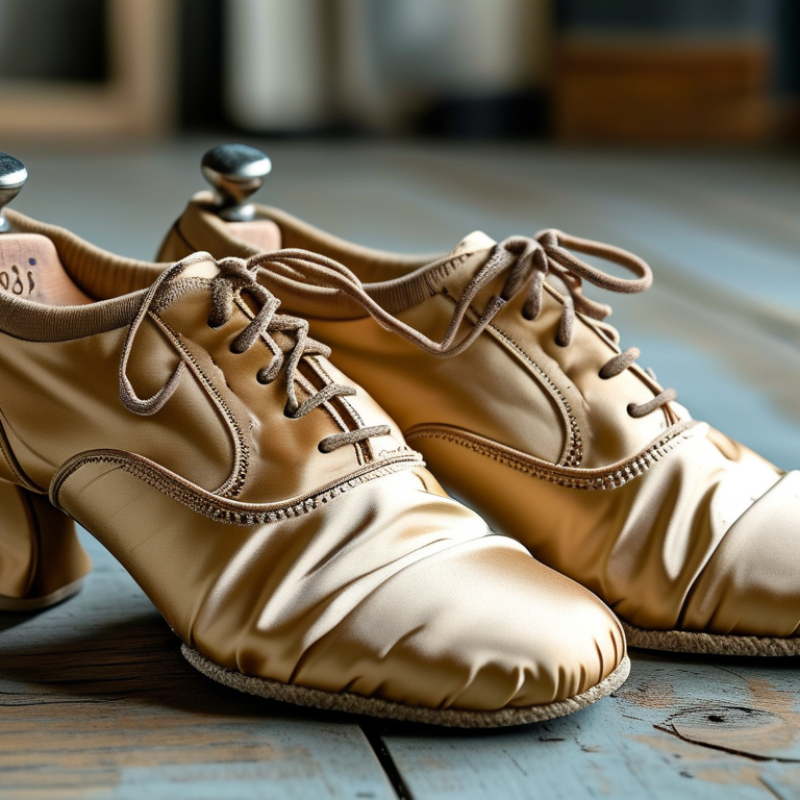
Ballroom Dance Shoe Types and Their Key Features
2026 Top Ballroom Dance Shoe Types Buying Guide
Ballroom dance shoes fall into three practical groups: standard, Latin, and practice shoes. Standard shoes usually have a closed toe, lower heel, and firm support for smooth travelling steps. Latin shoes use open toes, flexible uppers, and higher heels for sharper hip action. Practice shoes combine sneaker-like comfort with a suede sole. Grand View Research’s 2024 dancewear market report valued the global market at roughly US$1.8 billion in 2023, with comfort and online access supporting continued growth. The figure covers dancewear broadly, not ballroom shoes alone.
Tips: Match the shoe to your movement first. A suede sole turns easily, but it can feel unstable on polished floors. Leather uppers soften with wear, while synthetic materials often hold their shape longer. Look for a snug heel cup, secure buckles, and minimal toe pressure. Competition-oriented buyers should also review current International DanceSport Federation rules, especially heel and design requirements. Try shoes after a short warm-up. Feet expand.
In my fitting experience, many dancers choose heels that look elegant but reduce balance during fast transitions. A 2 to 2.5-inch heel often suits developing Latin dancers, while a lower heel can support beginners and longer practice sessions. Standard dancers may prefer a wider base and stronger shank. Practice shoes deserve equal attention; poor cushioning can make repeated footwork unpleasant. Research and Markets’ 2024 dancewear report highlights fit, material quality, and e-commerce availability as major buying factors. I still think appearance receives too much attention. A beautiful shoe that pinches is simply a costly mistake.
2026 Top Ballroom Dance Shoe Types Buying Guide - Ballroom Dance Shoe Types and Their Key Features
| Shoe Type | Typical Heel Profile | Upper Materials | Sole Construction | Best For | Key Features | Fit and Buying Notes |
|---|---|---|---|---|---|---|
| Men’s Standard Ballroom Shoes | Low to medium Cuban heel, commonly about 1–1.5 in (2.5–3.8 cm) | Leather or synthetic leather; smooth or lightly textured finishes | Suede sole with a flexible forefoot | Waltz, Tango, Foxtrot, Quickstep, and general ballroom practice | Stable heel, supportive closed upper, controlled pivoting, and a clean traditional appearance | Choose a close, secure fit without toe pressure. The heel should remain stable during rises, walks, and turns. |
| Men’s Latin Shoes | Raised Cuban heel, often about 1.5–2 in (3.8–5 cm) | Leather, synthetic leather, or fabric panels | Suede sole designed for articulation and floor contact | Cha-Cha, Samba, Rumba, Paso Doble, and Jive | Higher heel line, flexible forefoot, close-fitting shape, and enhanced ankle movement | A higher heel changes balance and weight placement. Beginners should select a moderate heel and strong ankle support. |
| Women’s Standard Ballroom Shoes | Flared, slim, or low heel, commonly about 1.5–3 in (3.8–7.6 cm) | Leather, satin, mesh, or other flexible textile uppers | Suede sole with a flexible shank and structured heel area | Smooth ballroom dances and social dancing | Closed or peep-toe designs, secure straps, smooth weight transfer, and stable turning support | Flared heels generally provide more stability than very narrow heels. Adjustable straps help accommodate different insteps. |
| Women’s Latin Shoes | Slim or flared heel, often about 2–3.5 in (5–8.9 cm) | Satin, leather, mesh, or combinations of flexible materials | Suede sole with a highly flexible forefoot | Latin technique, showcases, competitions, and advanced practice | Open-toe construction, multiple straps, flexible sole, and close contact with the floor | Toes should not extend beyond the front edge. Secure straps are essential because open designs provide less coverage. |
| Practice Ballroom Shoes | Low to medium heel; height varies by design and dancer preference | Breathable mesh, canvas, leather, or synthetic textile | Suede, split suede, or combination sole for flexibility | Frequent lessons, rehearsals, and extended practice sessions | Light weight, ventilation, cushioning, flexible construction, and reduced foot fatigue | Prioritize comfort and ventilation. A practice shoe should still allow controlled pivots and should not feel loose during footwork. |
| Dance Sneakers | Usually flat or with a small athletic-style heel | Breathable mesh, synthetic leather, and textile panels | Split rubber or synthetic sole, sometimes with a suede pivot section | Beginner classes, social dancing, fitness-based dance, and mixed surfaces | Athletic cushioning, easy flexion, shock absorption, and greater everyday versatility | Rubber can grip more strongly than suede and may restrict pivots on some floors. Confirm that the sole is suitable for indoor dance surfaces. |
| Flat Ballroom Shoes | Flat or very low heel, generally under 1 in (2.5 cm) | Leather, canvas, mesh, or soft synthetic materials | Flexible suede or lightweight split sole | Beginners, dancers needing additional stability, and low-impact practice | Low center of gravity, natural foot movement, easy balance, and reduced heel loading | A practical option for comfort, but it may not provide the posture and weight placement required for advanced Latin or formal ballroom technique. |
| Character or Performance Shoes | Low, medium, or high heel depending on the performance style | Leather, satin, synthetic leather, or reinforced textile | Suede or leather sole, sometimes with added cushioning | Stage work, theater dance, demonstrations, and multi-style performances | Secure straps, durable construction, moderate flexibility, and compatibility with stage movement | Check stage-floor requirements before buying. The shoe should balance appearance, support, and traction rather than maximize flexibility alone. |
| Outdoor Dance Shoes | Flat, low, or moderate heel depending on the design | Water-resistant synthetic materials, leather, mesh, or durable textiles | Rubber or abrasion-resistant synthetic outsole | Outdoor social events, smooth patios, and dance areas where suede is unsuitable | More protection from moisture and abrasion, improved durability, and stronger surface grip | Do not use outdoor rubber soles on delicate indoor dance floors if they leave marks or create excessive grip. Inspect the surface before dancing. |