Choosing reliable China top driveway gravel suppliers requires more than comparing catalogue prices. Global buyers must examine stone quality, grading accuracy, drainage performance, packaging, and export communication. A driveway may look attractive in a sample photograph, yet fail under heavy rain, freezing temperatures, or repeated vehicle pressure. Small details matter. Particle size matters. Base preparation matters more.
Civil engineer and aggregates consultant Mark V. Holmes explains, “A driveway succeeds when its base, drainage, and surface work together—not when the top layer simply looks attractive.” This principle guides the supplier comparison in this article. We consider crushed stone, pea gravel, river rock, and recycled aggregate options. We also review color consistency, dust content, moisture control, loading methods, and available test reports. Reliable suppliers should explain their quarry sources and production standards clearly. They should provide photographs, samples, specifications, and realistic lead times before receiving an order.
The cheapest offer is not always economical. It may require more replacement later. That is an uncomfortable truth. Buyers sometimes focus too heavily on price and overlook compaction behavior or local climate. This guide aims to reduce that risk. It highlights China-based suppliers suited to different project scales, from residential entrances to commercial access roads. Still, supplier information can change. Confirm current certifications, shipping terms, and product availability directly before purchasing. A careful comparison creates a stronger driveway, fewer surprises, and better long-term value.
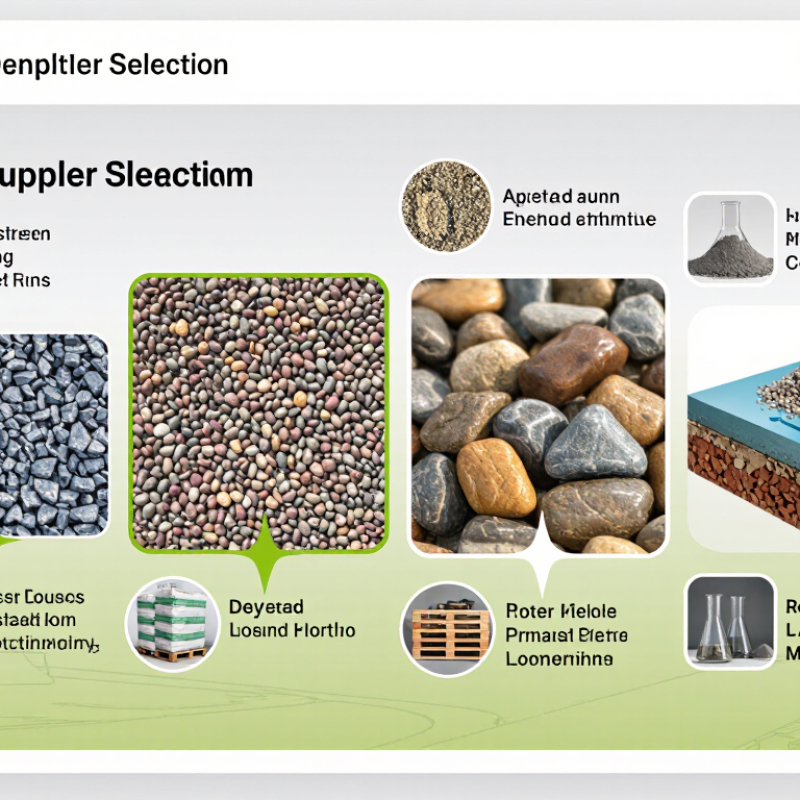
China’s advantage begins with scale. China Aggregates Association industry data has placed annual aggregate production above 20 billion tonnes in recent years. This extensive quarry network supports steady access to granite, basalt, limestone, and recycled aggregate. It also allows suppliers to serve different driveway designs, from pale angular chips to dark, compactable base stone.
The USGS Mineral Commodity Summaries 2024 describes crushed stone as a major construction material worldwide. Chinese producers often combine quarry processing with calibrated screening lines. Buyers can request specific gradations, such as 5–10 mm surface gravel or 10–25 mm base material. This matters. Poorly matched sizes can shift under tires and form puddles after rain.
Reliable sourcing requires more than a low quotation. Experienced buyers should review particle-size reports, Los Angeles abrasion results, water absorption, and freeze-thaw performance. Packing photographs can reveal dusty bags, weak stitching, or mixed sizes before shipment. Independent pre-shipment inspection adds useful evidence, though it cannot replace local testing.
China is not perfect. Quality may vary between quarries, even within one province. A sample can look excellent while a later batch contains excess fines. Clear specifications, retained samples, and staged approvals reduce that risk. Freight distance, port congestion, and moisture also deserve realistic calculations. The cheapest gravel is not always the lowest-cost driveway.
China Top Driveway Gravel Suppliers for Global Buyers
Key Gravel Types Offered by Chinese Suppliers
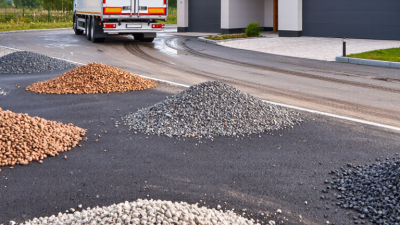
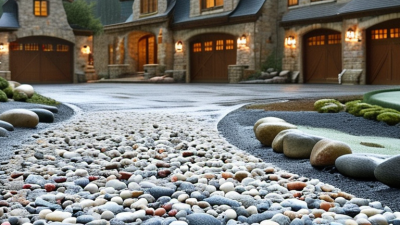
Chinese suppliers commonly provide crushed granite, basalt, limestone, river gravel, and recycled aggregate for driveway projects. Crushed granite gives a firm, angular surface with strong visual texture. Basalt usually offers high hardness and good abrasion resistance. Limestone is easier to compact and often costs less, but it may weather faster in acidic or wet conditions. River gravel has rounded edges and attractive colors, although it can shift under vehicle traffic without a well-prepared base.
The U.S. Geological Survey reported approximately 1.5 billion metric tons of crushed stone production in 2023. This figure shows the scale of aggregate demand worldwide. For buyers, stone type alone is not enough. Request sieve analysis, moisture content, water absorption, bulk density, and Los Angeles abrasion results. ASTM D6913 or EN 933-1 can support particle-size verification, depending on the destination market. Ask for clear samples.
Typical driveway grades include 0–5 mm fines, 5–10 mm chips, and 10–20 mm stones. A blended base material often compacts better than uniform gravel. However, “best” depends on climate, soil, slope, and traffic weight. A supplier’s technical sheet may look complete, yet packaging dust and mixed sizing can still cause problems. Independent inspection is worth considering. Small details matter.
| Gravel Type | Primary Rock Composition | Common Driveway Grades | Typical Appearance | Main Performance Characteristics | Typical Driveway Uses | Buyer Considerations |
|---|---|---|---|---|---|---|
| Crushed Granite | Granite aggregate, mainly quartz, feldspar and mica | 0–5 mm fines; 5–10 mm; 10–20 mm; 20–40 mm | Gray, pink, white, or speckled tones; angular particles | Hard, durable and angular; provides good interlocking and load support | Base layers, compacted surfaces and decorative top courses | Confirm abrasion resistance, fines percentage and color consistency |
| Crushed Basalt | Dense volcanic rock composed primarily of pyroxene and plagioclase | 0–5 mm fines; 5–10 mm; 10–20 mm; 20–40 mm | Dark gray to black; angular and finely textured | High hardness, strong compaction and good resistance to traffic wear | Heavy-use driveways, sub-base and erosion-resistant shoulders | Dark color can absorb more solar heat; request a representative sample |
| Crushed Limestone | Calcium-carbonate-rich sedimentary rock | 0–5 mm fines; 5–10 mm; 10–20 mm; 20–40 mm | White, cream, beige or light gray; angular particles | Compacts well, creates a stable surface and is widely available | Driveway base, leveling layers and general-purpose surfacing | May react with acidic soil or water; verify carbonate content where relevant |
| Crushed River Gravel | Processed natural alluvial gravel, often containing quartz and mixed silicate stones | 5–10 mm; 10–20 mm; 20–40 mm | Mixed natural colors with partly rounded to angular particles | Balanced appearance and drainage; crushed faces improve stability | Visible driveway layers, edging zones and decorative surfaces | Confirm washing, clay content and the proportion of rounded particles |
| Pea Gravel | Small rounded natural gravel, commonly quartz, granite or mixed silicate material | 3–6 mm; 6–10 mm; 10–15 mm | Smooth, rounded stones in gray, tan, white or mixed colors | Good drainage and comfortable appearance, but limited particle interlock | Decorative driveway topping, borders and low-traffic paths | Usually needs edging or a binding layer to reduce movement under vehicles |
| Quartz Gravel | Quartz-rich natural or crushed aggregate | 5–10 mm; 10–20 mm; 20–30 mm | White, translucent, pale gray, honey or mixed tones | Hard, weather-resistant and visually bright when washed | Decorative top dressing, driveway accents and landscape transitions | Ask whether the material is crushed or rounded and check dust content |
| Washed Decorative Gravel | Screened natural stone or crushed aggregate cleaned to remove fines | 5–10 mm; 10–20 mm; 20–40 mm | Clean, bright and available in single-color or mixed-color selections | Improved drainage and cleaner visual finish; lower structural stability without fines | Surface dressing, driveway borders and permeable landscape areas | Confirm washing method, moisture level, packaging and color tolerance |
| Recycled Concrete Aggregate | Processed concrete fragments, usually containing cement paste and natural aggregate | 0–5 mm fines; 5–20 mm; 20–40 mm | Light gray to gray-white, with visible cement paste fragments | Useful for base and fill applications; properties depend on source concrete | Sub-base, temporary access roads and cost-conscious driveway foundations | Check contaminant control, chloride or sulfate requirements and local regulations |
Note: Size ranges are common commercial gradations expressed in millimeters. Actual grading, color, moisture, bulk density and test results vary by quarry, processing method and shipment lot; buyers should confirm specifications with a current sample and inspection report.
China-based gravel manufacturers should be evaluated through evidence, not attractive catalog photos. The USGS Mineral Commodity Summaries 2024 estimated 1.5 billion metric tons of crushed stone production in the United States during 2023. It also reported about 960 million tons of construction sand and gravel. These figures show the market’s scale and the importance of consistent grading.
Request quarry location, geological test results, and recent production records. Check whether the supplier controls its own quarry or buys from several sources. Inspect sieve-analysis reports for particle-size distribution. For driveway gravel, review abrasion, water absorption, bulk density, and freeze-thaw performance. Ask for samples from different production dates. One sample is not enough.
A remote video call can reveal stockpile separation, conveyor cleanliness, and dust-control practices. However, it cannot confirm laboratory accuracy. Use an independent laboratory when contract value is significant. Compare results with ASTM or EN requirements specified for your project. Ask for batch numbers, loading photos, moisture records, and container weights. Packaging matters too; wet gravel may arrive heavier and behave differently during installation. No checklist is perfect. A polished factory may still have weak traceability, while a smaller producer may offer better technical control. Check audit dates, corrective actions, and certificate validity rather than collecting certificates alone.
China’s driveway gravel suppliers serve buyers with varied road, climate, and landscaping requirements. Experienced exporters usually confirm stone size, color, density, moisture, and intended use before quoting. A sample matters. Photos can hide dust, mixed grades, or color changes after drying.
Reliable suppliers should provide test data, packing details, and clear commercial documents. Buyers may request crushed stone, washed gravel, or graded aggregate. Each option affects drainage, compaction, and freight weight. Packaging often includes woven bags, jumbo bags, or bulk loading. Bags need strong stitching and moisture protection. Pallets should remain stable during forklift handling. Poor wrapping can cause torn bags and product loss.
Shipping plans require more than a low factory price. Suppliers should calculate net weight, gross weight, container capacity, and loading limits. A 20-foot container may suit dense gravel, but the final quantity depends on packing and local transport rules. Buyers should verify export documents, product descriptions, origin details, and destination requirements. Port congestion can change delivery schedules. Weather can also affect loading.
In practice, weight estimates are not always exact. Stone moisture creates small differences. That deserves written confirmation. Before payment, confirm inspection timing, tolerance for size variation, packaging photos, and damage procedures. A dependable supplier explains problems early, even when the answer is inconvenient. This habit supports safer purchasing and fewer surprises after arrival.
Typical export packaging options are compared by nominal net weight. Smaller sacks support retail and project flexibility, while FIBC bags and bulk loads reduce handling for larger orders. Actual payload depends on gravel density, packaging tare, container limits, and the shipping route.
Indicative industry planning values: final packaging, container payload, labeling, and documentation should be confirmed before purchase.
Choosing a reliable Chinese driveway gravel supplier requires more than comparing quoted prices. Start by checking the quarry source, stone type, grading range, and production capacity. Ask for recent test reports showing particle size, cleanliness, hardness, and water absorption. A professional supplier should explain these results clearly.
Request a small sample before placing a large order. Spread it beside your local driveway material and compare color, dust, drainage, and compaction. Ask whether the gravel is screened and washed. Confirm the loading method, bag or bulk packaging, container weight, and moisture protection. These details affect delivery costs and installation performance.
Communication reveals practical reliability. The supplier should provide clear specifications, production photos, inspection records, and export documents. Discuss delivery terms, port arrangements, replacement procedures, and compliance with your country’s import rules. Do not accept vague promises.
I once underestimated moisture during a rainy shipment. The gravel arrived heavier and harder to spread. That mistake changed my checklist. Now, I confirm weather protection and weighbridge records before payment. Even careful buyers can miss small details. Check the supplier’s response speed, but judge accuracy more than friendliness. A dependable partner answers technical questions without exaggeration and accepts reasonable third-party inspections. Consider ordering a trial shipment first, especially when driveway traffic, climate, or drainage conditions differ from the supplier’s usual markets.
Get a personalized quote tailored to your project needs. Request a quote today and let us help you build with passion.
Looking for a concrete contractor you can trust? Fill out the form below to get our recommendations sent to your inbox.