How to Choose Wpc Composite Decking for Your Project?
Wpc Composite Decking has gained immense popularity in recent years. According to a market research report by Grand View Research, the global WPC decking market is expected to reach $10.6 billion by 2025. This growth is driven by an increasing preference for low-maintenance outdoor solutions and eco-friendly materials. WPC, or Wood-Plastic Composite, combines plastic and wood fibers, creating a durable, weather-resistant product that mimics the appearance of real wood.
When selecting WPC composite decking for your project, it’s essential to consider various factors. Quality varies widely among manufacturers. Not all products are created equal; some may fade, splinter, or warp over time. Understanding these nuances is key. Additionally, installation methods and maintenance requirements can differ significantly between brands, impacting your long-term satisfaction. Make informed choices based on reliable data and expert recommendations.
Ultimately, WPC composite decking is a sound investment for enhancing outdoor spaces. However, the decision-making process can be complex. Evaluating materials, warranties, and customer reviews can provide valuable insight. Ensure you choose a decking option that meets both aesthetic desires and functional needs while aligning with environmentally conscious practices.
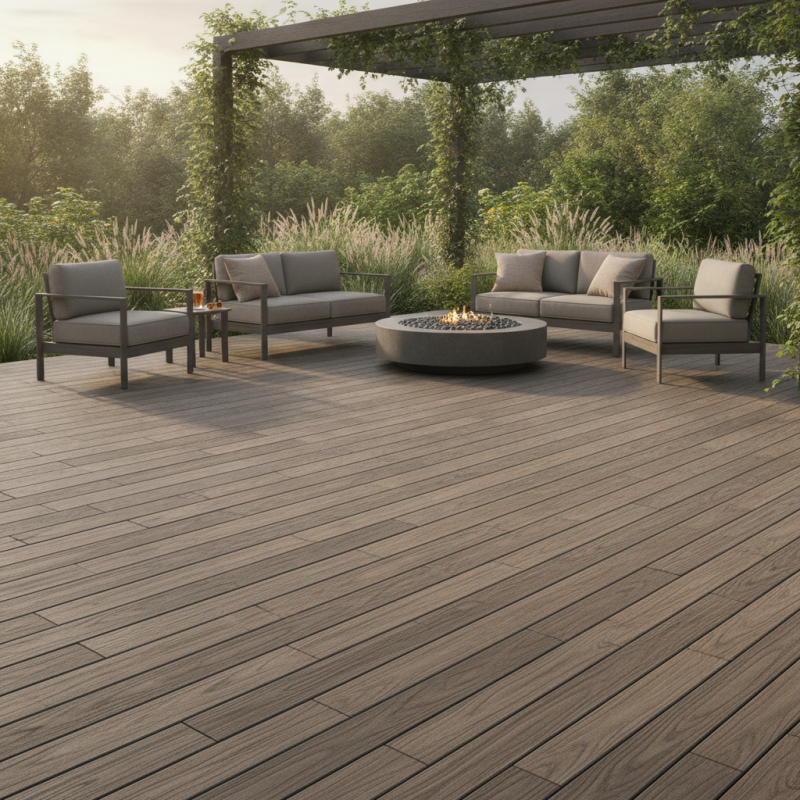
Factors to Consider When Selecting WPC Composite Decking
Choosing the right WPC composite decking for your project involves several important factors. The visual appeal is one key aspect. Colors and textures can greatly influence the overall look of your outdoor space. Natural wood-like finishes are popular, but you may want to explore other shades. Consider how these colors will harmonize with your home’s facade.
Durability is another critical factor. WPC decking combines wood fibers and plastic, offering resistance to moisture and insects. However, not all products are created equal. Some may fade over time or become scratched easily. It’s wise to review product specifications and warranties. Checking user reviews can also provide insights into long-term performance.
Finally, think about maintenance. While WPC decking can require less upkeep than traditional wood, some versions might need periodic cleaning or sealing. Understand the maintenance requirements before making a decision. It’s essential to weigh all these elements to ensure your choice aligns with your lifestyle and aesthetic preferences. This decision will impact the enjoyment of your space for years to come.
Understanding the Different Types of WPC Composite Decking Materials
When selecting WPC composite decking, it's essential to understand the various types of materials available. WPC, or wood-plastic composite, combines recycled wood fibers and plastic. This fusion results in a product that offers durability and aesthetic appeal. There are several categories of WPC decking, such as hollow, solid, and capped composite options. Each type has unique features that cater to different project requirements.
Hollow composite decking is lighter and easier to install, making it suitable for DIY projects. However, it may be less sturdy compared to solid alternatives. Solid decking provides greater strength and can withstand heavy loads. Capped composites feature a protective layer that inhibits fading, mold, and stains. These are ideal for regions experiencing harsh weather conditions.
**Tips:** Consider the climate in your area. Select capped options if you experience extreme temperatures. Check the warranty offered by manufacturers, as it reflects the product's quality. Always request samples before purchasing to ensure the color and texture meet your expectations. Keep in mind, no single type of decking fits all. Balancing aesthetics with practicality is key to a successful project.
How to Choose WPC Composite Decking for Your Project?
| Type of WPC Composite Decking | Material Composition | Durability | Maintenance Level | Price Range |
| Solid WPC Decking | Wood fibers & plastic | High | Low | $5 - $10 per sqft |
| Hollow WPC Decking | Wood fibers & recycled plastic | Moderate | Moderate | $3 - $7 per sqft |
| Capped Composite Decking | Wood fibers & plastic capped with polymer | Very High | Very Low | $7 - $15 per sqft |
| Recycled WPC Decking | Recycled wood and plastic | High | Low | $4 - $8 per sqft |
Assessing Durability and Maintenance Requirements of WPC Decking
When assessing WPC decking, durability is key. Many factors contribute to how well your decking will stand the test of time. Look for composite materials that resist fading, scratching, and moisture. A well-made WPC deck should maintain its appearance for years, reducing the need for replacements.
Consider maintenance requirements carefully. Some WPC products require more upkeep than others. Regular cleaning helps to prevent mold and mildew, especially in damp climates. A simple soap-and-water solution can often do the trick. However, avoid harsh chemicals that might damage the surface.
Tips: Use a soft-bristle broom for cleaning. This helps avoid scratches. Check your deck regularly for signs of wear. Early detection can save you time and money down the line. Remember, while WPC decking is designed for longevity, not all products are created equal. Research is critical before making a decision.
Evaluating Aesthetics and Color Options for Composite Decking
Choosing the right aesthetics and color options for WPC composite decking is crucial for enhancing your outdoor space. The color palette can significantly influence the overall feel of your project. Light colors can create an airy and spacious look, while dark colors offer a bold, elegant feel. Consider how the decking color will complement your home’s exterior and surrounding landscaping.
When selecting shades, think beyond your immediate preferences. Natural wood tones like cedar or oak can provide a classic look. On the other hand, gray or weathered finishes may evoke a beachy vibe. Look at samples in different lighting conditions. Colors can shift considerably from morning to evening.
Tips: Always request sample boards to visualize how colors will suit your space. Don’t hesitate to mix and match colors for borders or accents. This can add depth and interest to your design. Be mindful of the temperature; darker colors can absorb heat, making the surface warmer underfoot.
Pay attention to the texture as well. A smoother finish may be sleek but could be slippery when wet. Choose a surface that provides safety without compromising aesthetics. Lastly, think about maintenance; some colors might show dirt and wear more than others. Choosing wisely now can save time and effort later.
Comparing Cost and Budget Considerations for Your Decking Project
When planning a decking project, cost and budget considerations play a crucial role. WPC composite decking offers a cost-effective solution, but prices can vary widely. According to industry reports, the average cost per square foot for WPC decking ranges from $2 to $8. This includes material, installation, and maintenance. Always factor in the long-term durability when evaluating initial costs.
Tips: Consider local labor rates. Installation costs can significantly affect your overall budget. Gathering multiple quotes can provide a clearer picture of your financial expectations.
Material choices also impact expenses. Higher-quality WPC composites often come with enhanced warranties and resistance to wear, reducing potential long-term costs. However, balancing quality with budget is essential. Reports indicate that homeowners often overspend on aesthetics without considering practical longevity.
Tips: Set a realistic budget early. Allocate 10-20% of your budget for unexpected expenses. This buffer can prevent project delays and financial strain later on. Always review your decisions to ensure alignment with your goals.