Gabion baskets are widely used in retaining walls, erosion control, drainage works, and landscape projects. Their performance depends on more than appearance. Wire diameter, mesh opening, coating type, and edge reinforcement all affect how a unit handles transport and site conditions. Small details matter. A poorly matched specification can complicate installation or shorten service life.
This guide introduces ten Chinese gabion basket manufacturers for global buyers comparing suppliers and project requirements. It offers a starting point, not a substitute for technical review. Buyers should check production capabilities, material specifications, quality records, sample availability, and export support directly with each company. Ask for clear details on zinc or PVC coatings, wire tolerances, packaging, lead times, and shipping terms. These points help teams compare quotations more fairly. They also make conversations with procurement and engineering staff more useful.
A polished catalog is not proof of consistent production. Request recent inspection documents and, where practical, review a sample before placing a large order. Confirm that the proposed basket dimensions and mesh fit the drawings and fill material. Some listings may provide limited detail, and supplier information can change. That is worth remembering. A careful comparison of communication, documentation, and product fit can help buyers identify a suitable partner for their gabion baskets needs.
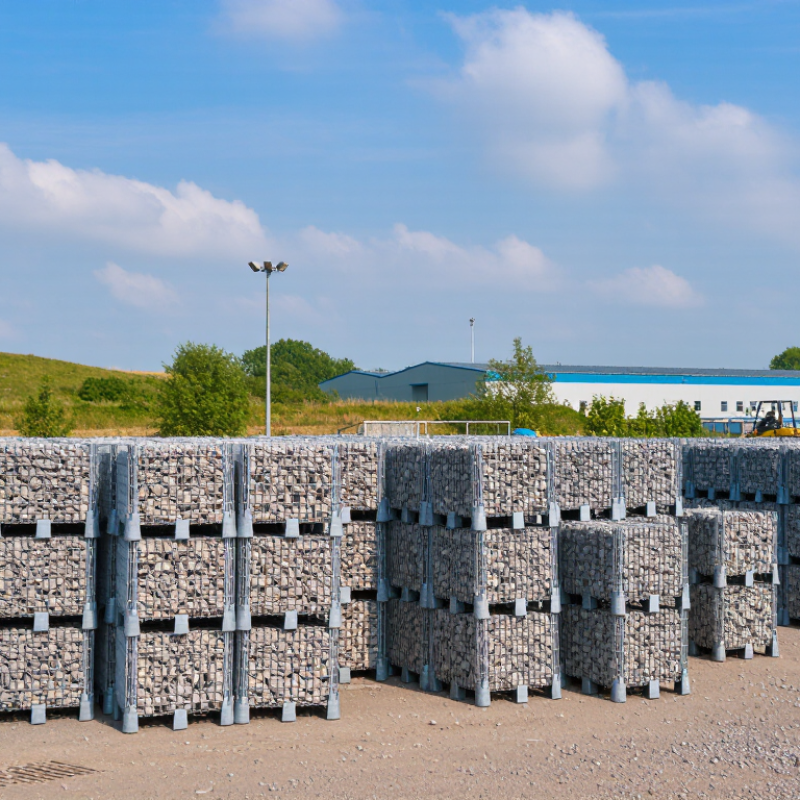
Gabion baskets begin as rolls of steel wire, formed into hexagonal mesh and cut into panels. The panels are joined with spiral binders or lacing wire, then folded into rectangular cages. Depending on exposure and project specifications, the wire may receive a zinc coating or an additional polymer coating. Mesh size and wire thickness should match the stone and expected site conditions. Small details matter.
At the site, crews place empty baskets on a prepared, reasonably level base and connect neighboring units. They fill them with durable, appropriately sized rock, arranging larger stones near exposed faces where appearance matters. Internal tie wires help limit bulging as the cages fill. The finished structure can support a slope, line a channel, or form a retaining wall, while gaps between stones allow water to drain. That helps, but it does not replace sound foundation design or drainage planning. Check for sharp wire ends and uneven settlement during installation. In practice, neat placement takes time, and rushed filling can leave visible hollows. A basket is only as reliable as its wire, stone, connections, and ground beneath it.
Choosing a Chinese gabion basket manufacturer requires more than comparing unit prices. Check the wire diameter, mesh opening, and coating type against your project drawings. Ask whether the supplier can provide recent test reports for tensile strength and coating weight. Ask for evidence. Confirm that sample measurements match the stated specifications, rather than relying on photographs alone.
Production consistency matters. Request details about incoming wire checks, welding or weaving controls, and final inspection. A useful factory record should identify batches and show how defects are handled. Small details matter. Review packing methods, too: bent panels or wet bundles can create problems before installation begins. Clarify lead times, minimum order quantities, and how replacement parts are managed.
Communication is another evaluation criterion. Technical answers should be specific, especially about mesh tolerances, corrosion protection, and custom dimensions. A polished brochure can still leave gaps. I would not judge quality from one sample alone; actual performance also depends on installation and site conditions. Ask for references or project documentation that can be checked, and compare suppliers using the same written requirements.
China’s gabion manufacturers differ more in process control than in catalog photos. These ten supplier profiles show useful distinctions:
The Global Infrastructure Hub’s 2017 Global Infrastructure Outlook estimated a $94 trillion global infrastructure investment need by 2040. That is context, not a gabion-market forecast.
Buyers should verify mesh aperture, wire diameter, coating specifications, and tensile-test records against the project specification. EN 10223-3 covers hexagonal steel wire mesh products for civil engineering, but compliance claims still need evidence.
A tidy brochure is not a test report.
Tips:
Request a recent inspection record and sample basket. Check coating after bending, not just on straight wire. Small details matter. Profiles describe capabilities, not verified rankings; factory audits remain essential.
For global buyers, compare gabion baskets by mesh consistency, wire protection, dimensions, and export readiness—not price alone. ASTM A975 covers double-twisted hexagonal wire mesh gabions and revet mattresses; EN 10223-3 is another relevant product standard. Ask suppliers for current test reports, coating details, wire-diameter records, and inspection photos. Check the corners and diaphragms closely. Small inconsistencies can complicate filling and installation.
Export capability matters just as much. UNCTAD’s Review of Maritime Transport 2024 reports that maritime trade grew 2.4% in 2023, while disruptions affected key shipping routes. Request packed dimensions, loading plans, lead times, and destination-specific document lists before ordering. Compare quoted delivery terms carefully. A low unit price may not include adequate export packing or predictable shipment scheduling.
Tips: Request a pre-shipment sample and verify mesh openings with a ruler. Confirm whether the stated wire diameter includes coating, and ask how bundles are protected from abrasion. Certificates help, but they do not replace checks on the actual batch. That distinction is easy to miss.
Choosing a gabion basket supplier starts with project conditions, not a ranking. Share the required wire coating, mesh opening, basket dimensions, soil or water exposure, and delivery schedule. Ask for a written specification that matches the quotation. Small differences matter: a mesh opening that looks close in a photo may affect stone retention and installation time.
Details matter.
Verify the factory’s role and production capacity through a live video walkthrough or an independent site visit. Request recent test reports, material certificates, inspection records, and sample labels that link documents to the quoted product. Check whether wire diameter is measured before or after coating, and ask how coating thickness is recorded. One sample is useful, but it cannot prove every batch is consistent. Ask about batch traceability.
Before paying a deposit, confirm bundle markings, packing method, lead time, replacement terms, and who handles pre-shipment inspection. Compare a physical sample with the specification using calipers and a suitable coating check. Put payment milestones in writing. A polished website is not verification. Neither is the lowest price. A supplier may answer quickly yet leave one detail vague; pause and request a precise reply.
This takes time.
Get a personalized quote tailored to your project needs. Request a quote today and let us help you build with passion.
Looking for a concrete contractor you can trust? Fill out the form below to get our recommendations sent to your inbox.