Top Metal Balusters Manufacturers for Global Buyers

Choosing the right Metal Balusters manufacturer is not simply a matter of comparing catalog prices. Global buyers must examine material quality, production consistency, surface treatment, packaging, and communication. A polished sample can look impressive, yet the real test appears after months of handling, cleaning, and exposure to changing humidity.

David R. Hargrove, a stair-system consultant with more than twenty years of field experience, says, “A baluster is small, but its failures are highly visible.” That observation matters. Reliable manufacturers should provide clear stainless steel or carbon steel grades, dimensional tolerances, coating specifications, and installation guidance. They should also explain whether products are welded, cast, forged, or assembled from multiple components.

Strong suppliers usually maintain documented inspections at cutting, welding, polishing, and packing stages. Ask for recent project references, production photographs, sample approvals, and test records where appropriate. Protective wrapping also deserves attention. Scratched finishes and bent components can turn an attractive order into an expensive delay.

Regional requirements may differ. Buyers should confirm loading conditions, railing heights, spacing, and corrosion expectations with qualified local professionals. A manufacturer cannot replace project-specific engineering advice.

No supplier is flawless. Even experienced factories may experience color variation or schedule changes. The difference lies in how openly they respond and correct problems. This guide reviews leading Metal Balusters manufacturers through practical criteria, including craftsmanship, customization, export experience, quality control, and after-sales support. The goal is not to praise the largest names automatically, but to identify partners that can deliver safe, consistent, and visually convincing results across international projects.
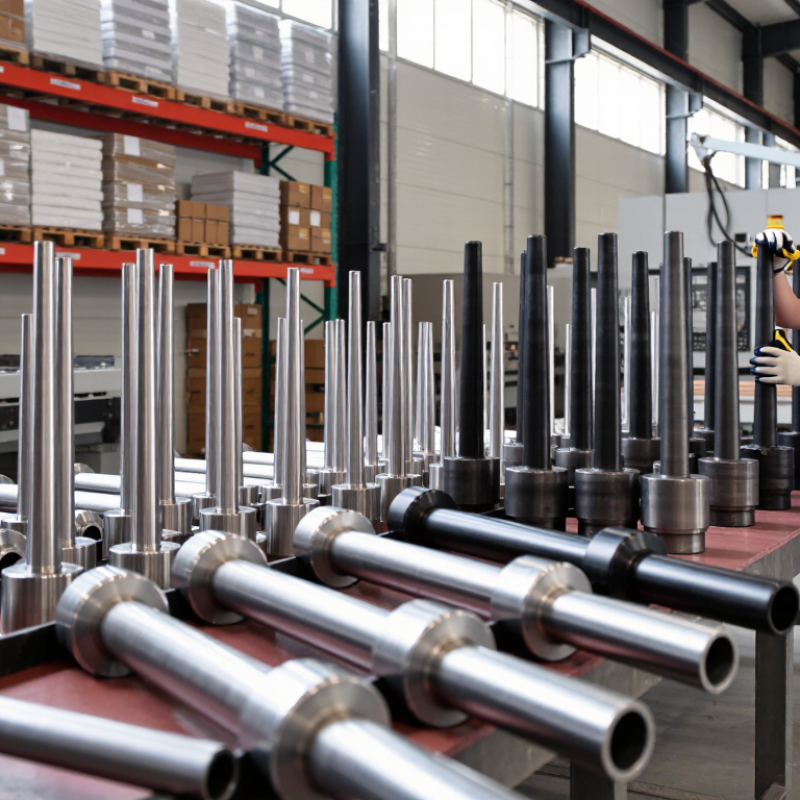
Top Metal Balusters Manufacturers for Global Buyers

What Defines a Top Metal Balusters Manufacturer

A top metal balusters manufacturer is defined by more than attractive catalog photos. Real expertise appears in controlled production, accurate measurements, and consistent finishing. Experienced manufacturers understand how balusters behave under repeated contact, changing temperatures, and daily cleaning. They select suitable steel or aluminum grades for the intended interior or exterior environment.

Reliable production leaves evidence. Ask for material certificates, coating specifications, dimensional tolerances, and test records. A professional manufacturer should explain how welds are inspected and how surface defects are corrected. On a finished baluster, check the details: smooth joints, even powder coating, clean drilled holes, and stable handrail connections. Small flaws often reveal weak process control.

Communication also defines quality. Skilled teams confirm drawings, installation conditions, packaging requirements, and delivery schedules before production begins. They should answer technical questions clearly, not hide behind sales language. No factory is flawless. That matters. A trustworthy supplier admits limitations and proposes practical corrections. Sample approval is valuable, but one sample cannot represent every batch. Buyers should review random production pieces and inspect packaging for corner protection, moisture control, and labeling. Documentation, repeatable workmanship, and honest communication create confidence beyond a low quotation.

Key Manufacturing Methods and Material Standards

Metal balusters for global projects require more than attractive profiles. Manufacturing methods directly affect strength, alignment, surface quality, and installation speed. Experienced manufacturers usually begin with stainless steel tube, solid bar, aluminum, or carbon steel, depending on the environment and load requirements.

Cold drawing can improve tube accuracy and create a cleaner surface. CNC turning produces repeatable collars, connectors, and decorative sections. Forging offers dense grain structure for selected solid components, while casting suits complex shapes but requires careful inspection for porosity. Laser cutting supports precise plates and brackets. Welded assemblies should show consistent penetration, limited distortion, and smooth finishing. Poor welding can remain hidden beneath polished surfaces.

Material documentation matters. Stainless steel 304 is common for interior applications, while 316 offers better resistance near saltwater. Carbon steel needs a controlled protective system, such as galvanizing or powder coating. Buyers should request chemical reports, mechanical test results, and EN 10204 3.1 certificates when traceability is important. Coating checks may include thickness measurement, adhesion testing, and salt-spray evaluation under relevant standards.

Small details matter.

A reliable factory records heat numbers, batch quantities, and dimensional tolerances. It should also provide samples before mass production. However, certificates alone do not guarantee consistent workmanship. An on-site or third-party inspection can reveal uneven holes, sharp edges, coating bubbles, or incorrect packaging. Some suppliers meet the written standard but miss the practical expectation. That gap deserves honest review.

Top Metal Balusters Manufacturers for Global Buyers - Key Manufacturing Methods and Material Standards
Comparison framework for evaluating metal baluster suppliers by manufacturing capability, material selection, applicable standards, and quality-control documentation.
Manufacturing Method Common Baluster Materials Typical Production Sequence Design and Application Suitability Relevant Material or Process Standards Key Quality Checks for Buyers
Tube and bar cutting with CNC drilling Stainless steel 304 or 316; carbon steel; aluminum alloys Material cutting, CNC drilling or slotting, end preparation, deburring, assembly, and surface finishing Suitable for straight round, square, or rectangular balusters used in indoor and outdoor railing systems ASTM A276 or EN 10088 for stainless steel bars; ASTM A240 or EN 10088 for stainless sheet; ASTM B221 or EN 755 for aluminum extrusions Dimensional inspection, hole-position accuracy, straightness, burr removal, material certificates, and verification of alloy grade
Tube laser cutting Stainless steel, galvanized steel, mild steel, and aluminum CAD programming, laser cutting, piercing, contour cutting, deburring, and optional welding or coating Well suited to decorative patterns, repeated openings, precise connection slots, and customized architectural designs ISO 9013 for thermal-cut edge quality; EN 10204 for inspection documents; applicable base-metal specifications for the selected alloy Cut-edge quality, heat-affected zones, hole and slot dimensions, repeatability, warpage, and protection against sharp edges
Cold forming and roll forming Carbon steel, stainless steel, and aluminum sheet or strip Sheet slitting, roll forming or press forming, sizing, cutting to length, end finishing, and coating Efficient for uniform profiles, square sections, channels, and high-volume railing components EN 10143 for continuously coated steel tolerances; EN 10088 for stainless steel; ASTM A653 for galvanized steel sheet where specified Profile dimensions, wall thickness, twist, surface cracking, coating continuity, and consistency between production batches
Extrusion Aluminum alloys commonly used for architectural profiles, including 6063-series alloys Billet heating, die extrusion, stretching or straightening, cutting, heat treatment where required, and finishing Suitable for lightweight hollow profiles, continuous handrail systems, and modular baluster components ASTM B221 for aluminum extruded bar, rod, wire, profile, and tube; EN 755 for extruded aluminum dimensions and tolerances Alloy and temper verification, wall-thickness measurement, dimensional tolerances, straightness, surface condition, and finish adhesion
Forging and hot forming Carbon steel, stainless steel, and selected aluminum alloys Heating, die or open-die forming, trimming, machining, heat treatment where required, and surface finishing Appropriate for high-strength connectors, ornamental elements, brackets, and baluster parts with formed details Material requirements are normally specified by the applicable steel or aluminum grade standard; EN 10204 may be used for material inspection documentation Forging laps, cracks, incomplete filling, dimensional accuracy, hardness where specified, and traceability of the heat or batch
Investment casting or sand casting Stainless steel, carbon steel, ductile iron, and aluminum alloys Pattern production, mold preparation, metal pouring, shakeout, fettling, machining, and finishing Useful for complex ornamental balusters, flanges, collars, finials, and connection components ASTM A743 or ASTM A744 may apply to specified corrosion-resistant castings; EN 10283 covers corrosion-resistant steel castings where applicable Visual examination, radiographic or penetrant testing when specified, porosity control, dimensional inspection, and machining accuracy
MIG, TIG, or robotic welding Stainless steel, carbon steel, galvanized steel after suitable preparation, and aluminum Joint preparation, fixture alignment, welding, weld cleaning, grinding where required, inspection, and final finishing Suitable for fabricated frames, welded posts, handrail connections, custom assemblies, and welded decorative structures ISO 3834 for quality requirements in fusion welding; ISO 5817 for quality levels of imperfections in steel, nickel, titanium, and their alloys Weld size, penetration, alignment, cracks, undercut, porosity, discoloration, spatter, and evidence of qualified welding procedures where required
Hot-dip galvanizing Carbon steel and low-alloy steel components Degreasing, pickling, fluxing, zinc immersion, cooling, inspection, and removal of excess zinc Recommended for steel balusters exposed to moisture, exterior environments, and infrastructure applications ISO 1461 for hot-dip galvanized coatings on fabricated iron and steel articles; ASTM A123/A123M may apply in North American specifications Coating appearance, coating thickness, bare spots, uncoated drainage areas, venting provisions, adhesion, and dimensional impact from zinc buildup
Powder coating Steel, galvanized steel, aluminum, and stainless steel with compatible pretreatment Cleaning, chemical pretreatment, drying, electrostatic powder application, oven curing, cooling, and inspection Provides decorative color options and an additional protective finish for interior and exterior railing products ISO 8130 series for powder-coating test methods; ISO 12944 can support corrosion-protection system selection for steel structures Color and gloss consistency, dry-film thickness, adhesion, cure condition, edge coverage, impact resistance, and surface contamination
Brushed, satin, or mirror polishing Stainless steel, aluminum, and selected nonferrous alloys Grinding, abrasive finishing, polishing, cleaning, passivation where applicable, and protective packaging Preferred for visible architectural balusters where appearance, cleanability, and corrosion resistance are important ASTM A967 or ASTM A380 may be referenced for stainless-steel chemical passivation and cleaning practices Surface uniformity, scratch direction, weld discoloration, free-iron contamination, roughness where specified, and protection from handling damage
Mechanical fastening and modular assembly Stainless steel, aluminum, galvanized steel, and combinations of compatible metals Cutting, drilling, tapping, insertion of fasteners, torque-controlled assembly, and final alignment Useful for site-installable systems, replaceable balusters, adjustable connections, and reduced on-site welding Fastener requirements may reference ISO 898-1 for carbon-steel fastener mechanical properties or ISO 3506 for stainless-steel fasteners Fastener grade, thread engagement, torque, galvanic-corrosion isolation, joint movement, alignment, and pull-out or load testing where specified
Buyer note: The listed standards are commonly referenced technical standards, not automatic proof of compliance. Final requirements should be confirmed against the project location, building code, loading conditions, corrosion environment, finish specification, and required inspection documentation.

How Global Buyers Should Compare Manufacturers

Top Metal Balusters Manufacturers for Global Buyers

How Global Buyers Should Compare Manufacturers

Global buyers should compare metal baluster manufacturers beyond catalog photos and low prices. Ask for material certificates, production tolerances, coating specifications, and recent quality records. Stainless steel grades should be verified, not simply advertised. For carbon steel, confirm the galvanizing or powder coating process. Small details matter. A two-millimeter hole shift can complicate installation across an entire staircase.

Request physical samples before approving a large order. Check welds, edges, surface consistency, and fitting accuracy by hand. Experienced manufacturers should explain their testing methods clearly. They should also provide drawings, packing details, and realistic lead times. A factory that answers technical questions quickly is often easier to manage internationally. Still, fast replies do not prove manufacturing ability.

Review production capacity against your actual project schedule. Ask how the supplier handles design changes, damaged cartons, and replacement parts. Export experience is useful, but it can be overstated. Verify references, factory documentation, and inspection procedures where possible. I have found that the cheapest quotation often excludes packaging upgrades or final inspections. That mistake becomes expensive during installation. No comparison is perfect. Leave room for practical judgment, especially when a supplier’s polished presentation feels stronger than its evidence.

Top Metal Balusters Manufacturers for Global Buyers

How Global Buyers Should Compare Manufacturers

This neutral procurement scorecard shows a practical weighting system for comparing metal baluster manufacturers. Product quality and compliance are prioritized because buyers should verify material grade, dimensions, finish durability, load-related documentation, packaging, and delivery performance before placing an order. The percentages are evaluation weights rather than ratings for any specific company or brand.

Customization, Compliance, and International Shipping

Choosing top metal baluster manufacturers requires more than comparing prices. Customization should begin with a clear technical drawing, not a vague request for “modern” rails. Buyers should confirm metal grade, tube dimensions, hole spacing, finish, and installation tolerances. Small differences can create costly site problems. A polished surface is not proof of durability. In coastal projects, request corrosion testing and coating specifications. That detail is often missed.

Compliance must match the destination market and the building application. Ask for material certificates, load-test records, quality inspection reports, and applicable conformity documents. ISO 9001 can indicate a controlled quality system, but certification does not guarantee perfect production. Buyers still need batch inspections. The World Bank’s 2023 Logistics Performance Index evaluates 139 economies, showing why customs reliability and shipment visibility matter to international buyers. Documentation should include accurate commercial invoices, packing lists, product descriptions, and HS classification details.

Shipping design deserves equal attention. UNCTAD reports that maritime transport carries over 80% of global merchandise trade by volume. Balusters should be bundled with protective separators, moisture barriers, and reinforced cartons or crates. Long components need load-tested packaging. Otherwise, a clean factory finish may arrive scratched or bent. Confirm Incoterms, port responsibilities, insurance, and replacement procedures before production. A practical weakness remains: some suppliers promise customization but lack stable drawing control. Request a signed approval sample, then inspect dimensions before mass production.

Leading Manufacturer Categories by Market and Project Type

Metal baluster manufacturers often serve distinct market segments rather than every project equally. Residential suppliers usually focus on stainless steel, mild steel, and aluminum systems for stairs, balconies, and lofts. They offer standard profiles, practical finishes, and manageable order quantities. For homeowners, clear drawings and simple installation guidance matter as much as price.

Commercial projects require a different manufacturer category. Offices, shopping centers, hotels, and public buildings often need heavier sections, tested connections, and coordinated delivery schedules. Experienced manufacturers can provide shop drawings, finish samples, load information, and replacement components. Hospitality projects may demand warmer details, such as brushed surfaces, concealed fixings, or custom curves. Small visual flaws become obvious under strong lobby lighting.

Industrial and infrastructure buyers usually prioritize durability, traceability, and maintenance planning. Manufacturers serving these projects should understand corrosive environments, repeated use, and demanding inspection routines. Coastal developments may need suitable stainless grades and protective finishing. Regional suppliers can reduce shipping delays, while export-oriented factories may offer broader fabrication capacity. Yet global experience does not guarantee accurate local compliance.

Custom engineering manufacturers support architects and contractors with unusual angles, mixed materials, and tight site conditions. Their value appears during coordination, not only production. Ask for material certificates, welding records, dimensional checks, and realistic lead times. I have found that attractive samples can hide weak project communication. That deserves careful review. A dependable supplier listens to installation problems, records changes, and admits when a proposed detail needs improvement.