How to Use a Concrete Estimate Calculator Effectively?
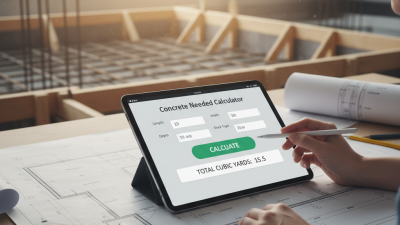
When planning a concrete project, accurate estimates are crucial. A concrete estimate calculator can simplify this process significantly. It helps you gauge how much material you need for your specific project.
Using a concrete estimate calculator involves understanding your space. You need to measure the area accurately, as even small mistakes can lead to overages or shortages. Entering the right dimensions allows the calculator to provide precise estimates.
Many users overlook the importance of adjusting for thickness or other factors. This can lead to miscalculating how much concrete is necessary. Ensure you consider the depth needed for your pour. Reflecting on these details will enhance your results and streamline your project.
Understanding the Basics of Concrete Estimation Calculators
Concrete estimation calculators are valuable tools for anyone involved in construction projects. They simplify the process of determining how much concrete is needed. By inputting dimensions such as length, width, and depth, users can quickly generate a volume estimate. This eases planning and procurement efforts. Yet, inaccuracies in measurements can lead to issues. Many forget to account for irregular shapes or variations in slab thickness.
Understanding the basics of these calculators is essential. Knowing the differences between cubic yards and cubic meters helps avoid confusion. Additionally, not all calculators are created equal. Some provide estimates for specific projects like driveways or patios. Others might offer general calculations. It's important to review multiple sources to ensure accuracy in your estimates. In the end, correct measurements lead to better budgeting and fewer surprises. Mistakes often arise from poor initial assessments, so careful planning is crucial.
Identifying Key Factors Influencing Concrete Volume Calculations
When calculating concrete volume, several key factors must be considered. The thickness is crucial. For standard concrete slabs, 4 to 6 inches is typical. Thicker slabs may be required for heavy loads. According to industry standards, this can vary based on project needs. Always measure accurately.
Dimensions are essential in determining the concrete volume. The formula used is Length x Width x Height. However, shapes aren't always rectangular. For circular areas, use the formula: πr²h. Miscalculations can lead to costly mistakes. An ACI report indicates that underestimating can result in a 10% budget overrun.
Density and water content also affect concrete volume. The standard density of concrete is approximately 150 pounds per cubic foot. This value changes based on material used. Adjusting the water-cement ratio is vital. Too much water weakens the mix. This can cause poor performance. Therefore, understand each aspect thoroughly to ensure accuracy in your calculations.
Concrete Volume Estimates by Project Type
Step-by-Step Guide to Inputting Accurate Measurements
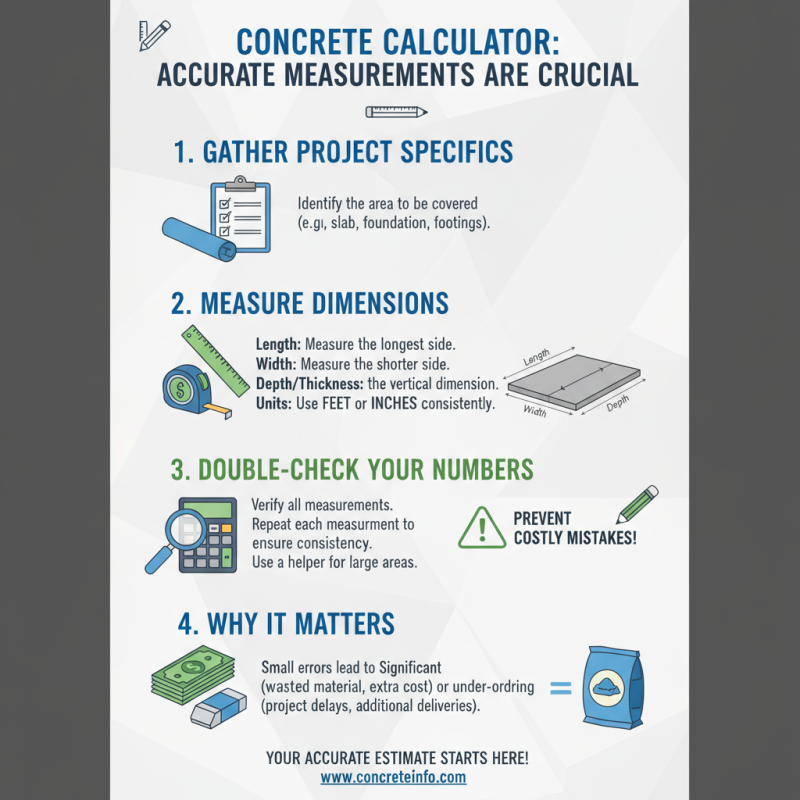
When using a concrete estimate calculator, accurate measurements are crucial. Start by gathering your project specifics. Measure the length, width, and depth in feet or inches. Always double-check your numbers to prevent costly mistakes. A small error can lead to significant discrepancies in the final estimate.
Next, input your measurements precisely into the calculator. Be mindful when converting units, as this can alter the results. For example, mixing feet and inches can lead to confusion. If you’re unsure, use a conversion tool to help. Take a moment to reflect on the inputs. Are they realistic? Think about the project’s requirements.
Visualize the project layout to ensure your measurements align. Consider how the space will be used. Sometimes, it helps to sketch it out. This can reveal if your estimates make sense. If something feels off, adjust accordingly and recheck. Accuracy is key for smooth execution. The margin for error is small in concrete work.
Interpreting the Results from a Concrete Estimate Calculator
When using a concrete estimate calculator, interpreting the results accurately is essential for project success. The estimates can guide resource allocation, informing how much concrete is needed based on specific measurements. For instance, a recent industry report indicates that using precise calculations can reduce material waste by up to 15%. Yet, many users overlook these figures, leading to budget overruns.
Understanding the output from these calculators requires careful attention. A common mistake is misinterpreting the volume measurement. Users often forget to convert cubic yards to cubic feet. This oversight can lead to ordering insufficient or excessive concrete. Industry data suggests that 30% of construction projects face delays due to such errors.
Taking the time to double-check results can save time and money. Cross-referencing estimates with actual measurements is a good practice. Some users may rely solely on the calculator and overlook site-specific factors affecting concrete needs. For example, soil conditions and weather patterns impact the amount needed. Concrete can expand or contract based on temperature variations. A comprehensive approach enhances accuracy while minimizing risks in the project timeline.
How to Use a Concrete Estimate Calculator Effectively?
| Project Type |
Area (sq ft) |
Thickness (inches) |
Volume (cubic yards) |
Estimated Cost ($) |
| Driveway |
600 |
4 |
7.11 |
$850 |
| Patio |
400 |
3 |
3.33 |
$400 |
| Foundation |
2000 |
12 |
50 |
$6000 |
| Sidewalk |
300 |
4 |
3.33 |
$400 |
Common Mistakes to Avoid When Using a Concrete Estimate Calculator
When utilizing a concrete estimate calculator, many users make critical errors that can lead to inaccurate results. One common mistake is underestimating the project requirements. According to industry reports, over 30% of concrete projects exceed budgets due to inaccurate measurements. Always double-check the dimensions and consider factors like thickness and reinforcement needs. Miscalculating these elements can inflate costs significantly.
Another frequent pitfall is neglecting to account for waste and spillage. Research shows that approximately 10% to 15% of concrete is wasted during mixing and pouring. Failing to incorporate this waste can result in a shortage on-site. Always include a buffer in your calculations. Also, forgetting to adjust for the type of concrete can distort the estimate. Different mixes have unique properties, and their costs can widely vary.
Users often rush their calculations, leading to oversight. Take time to review your inputs. Even minor inaccuracies can result in costly miscalculations. The impact? A project that runs over budget and schedule. Concrete estimating is not just about numbers; it's about precision and foresight. A small misstep can lead to big financial repercussions. So, reflect on your process and ensure every detail is correct.