How to Use a Cement Calculator to Estimate Cement Needed
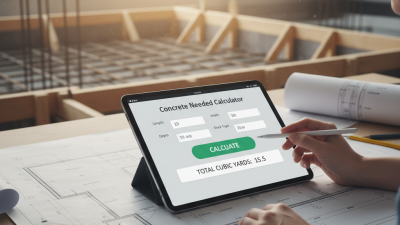
Estimating cement for a slab, footing, walkway, or repair project becomes easier when measurements are organized clearly. A cement calculator converts length, width, and thickness into an estimated material quantity. It can also help approximate bag counts, concrete volume, and a sensible waste allowance. The result is useful, but it is not a promise.
Measure carefully.
A small error in thickness can change the final quantity significantly. For example, a 10-by-12-foot slab at four inches thick requires a different volume than the same slab at five inches. The calculator should receive consistent units, such as feet and inches. Convert measurements before entering them. That simple step prevents confusing results.
Concrete and cement are not identical. Cement is one ingredient in concrete, alongside aggregates and water. Some calculator tools estimate finished concrete, while others estimate cement bags directly. Check the tool’s calculation method and the product label before purchasing materials. Mix proportions vary between products, strength requirements, and applications.
Concrete materials expert and ACI Fellow Dr. Kenneth C. Hover has emphasized, “Concrete is a wonderful material, but it is not a forgiving material.” His warning applies to estimating, too. Buying too little can interrupt placement and create visible joints. Buying too much wastes money and leaves unopened bags exposed to moisture.
Add a modest waste allowance, often around five to ten percent, depending on the project. Site conditions may change that figure. An uneven base, spillage, or irregular formwork can affect actual use. The estimate may still be imperfect. That is normal. Recheck the measurements, compare the result with the manufacturer’s guidance, and ask a qualified concrete professional when structural performance matters.
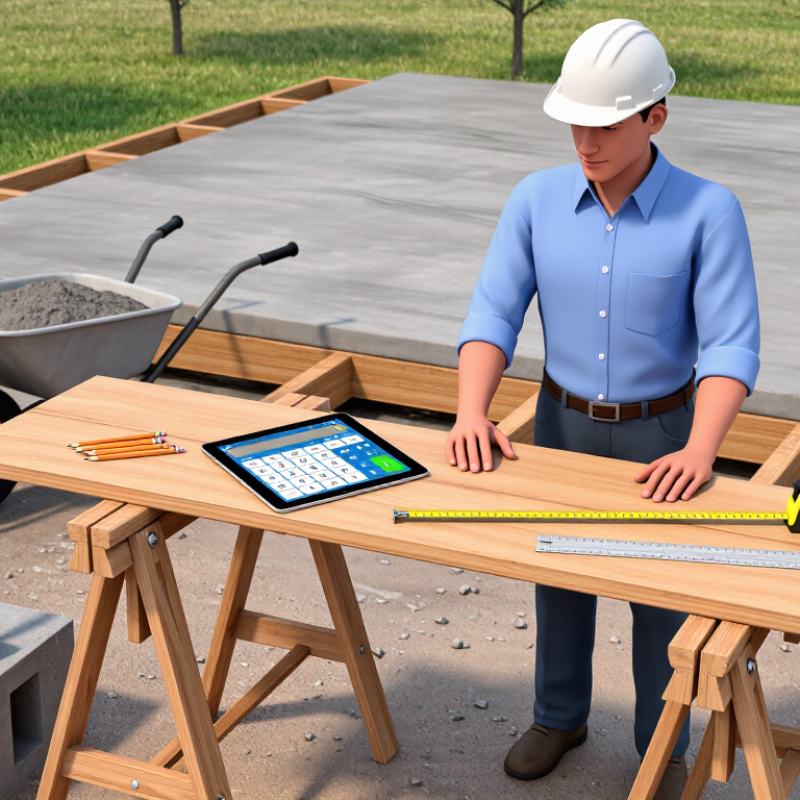
Understanding What a Cement Calculator Measures
A cement calculator estimates material volume from dimensions, rather than measuring cement directly. Most tools ask for length, width, and depth. Enter each value in the same unit. A slab measuring 12 feet by 10 feet and 4 inches deep needs careful conversion. Four inches equals one-third of a foot. The calculator multiplies these measurements to find cubic volume. That number describes the finished concrete space. It does not automatically represent cement powder or bag count. This distinction matters.
Concrete usually contains cement, sand, gravel, and water. A calculator may estimate total concrete quantity, while another tool focuses on cement content. Read its labels and mix assumptions closely. A standard mix ratio can change the cement portion significantly. Site experience also matters. Uneven soil, rough forms, and small spills consume extra material. Add a modest waste allowance, often 5 to 10 percent, when conditions justify it. Do not add waste blindly. Excess can distort purchasing decisions.
Reliable estimates start with a tape measure and a simple sketch. Measure several points when the form is irregular. Use the largest realistic depth, not a hopeful average. Check the calculator’s units before ordering. Small unit mistakes can create surprisingly large shortages. I have made that mistake before. Calculators are estimates, not field inspections. Recheck dimensions after excavation and before mixing. If the cement amount seems unusually high, review the mix design. A qualified concrete professional can verify structural requirements and local practice.
How to Use a Cement Calculator to Estimate Cement Needed
A cement calculator first measures the concrete volume from length × width × thickness, then applies the selected cement content per cubic metre. The examples below use typical planning values of 300–400 kg of cement per m³ of concrete.
Estimated cement quantities: 4 m × 3 m × 0.10 m at 300 kg/m³ = 360 kg; 5 m × 4 m × 0.12 m at 350 kg/m³ = 840 kg; 6 m × 5 m × 0.15 m at 400 kg/m³ = 1,800 kg. Actual requirements depend on the specified concrete mix and project conditions.
Gathering the Dimensions and Project Details
Before opening a cement calculator, gather every project dimension carefully. Measure the length, width, and depth of each slab, footing, path, or wall. Record measurements in one unit, such as metres or feet. Mixed units can distort the result badly. Check whether the calculator estimates concrete volume or cement quantity, because these are not the same thing.
On small site jobs, I measure each section twice and write the figures immediately. A rectangular slab needs its full length, width, and thickness. A circular base needs its diameter and depth. For walls, include the wall length, height, and width. Mark openings for doors, drains, or posts, then subtract their volume where appropriate. Uneven ground deserves attention. A surface that looks level may vary by several centimetres.
Add the project type and intended strength if the calculator requests them. Structural work should follow approved drawings and local construction requirements. Also record access problems, because hand mixing and difficult delivery may affect practical quantities. Include a modest allowance for spillage, uneven forms, and material left in tools. Five to ten percent is often reasonable, but site conditions can change it. My first estimate once ignored a sloping base and came up short. That mistake was avoidable. Recheck the dimensions, then compare the calculator’s result with the project plan before ordering materials.
How to Use a Cement Calculator to Estimate Cement Needed - Gathering the Dimensions and Project Details
| Project Element |
Length
(m) |
Width
(m) |
Thickness / Height
(m) |
Quantity |
Base Concrete Volume
(m³) |
Waste Allowance |
Adjusted Volume
(m³) |
Cement Content
(kg/m³) |
Estimated Cement
(kg) |
Bag Size
(kg) |
Bags to Purchase |
| Concrete walkway |
12.00 |
1.20 |
0.10 |
1 |
1.440 |
10% |
1.584 |
300 |
475.2 |
25 |
20 |
| Residential floor slab |
6.00 |
4.00 |
0.12 |
1 |
2.880 |
10% |
3.168 |
320 |
1,013.8 |
40 |
26 |
| Strip footing |
8.00 |
0.60 |
0.30 |
1 |
1.440 |
5% |
1.512 |
350 |
529.2 |
25 |
22 |
| Concrete fence posts |
0.25 |
0.25 |
2.40 |
6 |
0.900 |
8% |
0.972 |
300 |
291.6 |
25 |
12 |
| Exterior concrete steps |
2.00 |
1.20 |
0.45 |
1 |
1.080 |
10% |
1.188 |
300 |
356.4 |
25 |
15 |
| Total Estimated Requirement |
7.740 |
— |
8.424 |
— |
2,666.2 kg |
— |
95 bags |
Calculation guide:
Base concrete volume = Length × Width × Thickness × Quantity.
Adjusted volume includes the selected waste allowance.
Estimated cement = Adjusted volume × Cement content.
Bag quantities are rounded up to the next whole bag to avoid shortages.
Cement content varies according to the specified concrete strength, aggregate grading, and mix design.
Entering Measurements into the Calculator
When entering measurements into a cement calculator, use one unit system from start to finish. Mixing feet, inches, and meters can create a surprisingly large error. Measure the length, width, and depth at several points, especially where the ground looks uneven. Record the average depth rather than relying on one convenient spot.
For example, a rectangular slab measuring 12 feet by 10 feet with a 4-inch depth needs a converted depth of about 0.33 feet. Entering 4 as the depth would produce a result twelve times too high. Small detail. For a circular footing, enter its diameter and depth, not its radius, unless the calculator specifically requests the radius. If the area has steps or separate sections, calculate each shape independently and add the volumes.
Check the calculator’s unit labels before pressing calculate. Some tools estimate total concrete, while others estimate cement bags from a selected mix ratio. These are not identical results. Include openings, thickened edges, or narrow trenches in separate calculations. A practical allowance of around 5% can cover minor spills and measuring variation, but site conditions may require more. I once treated a rough excavation as perfectly level; the estimate looked precise, but it was not. Recheck the numbers against the actual formwork, then confirm the final quantity with a qualified contractor or concrete supplier.
Interpreting the Estimated Cement Quantity
A cement calculator gives an estimate, not an exact delivery order. Read the result as a planning quantity based on your entered length, width, depth, and mix ratio. Check the unit carefully. A result in cubic metres is not the same as a result in cement bags or kilograms.
Interpret the quantity against the actual site conditions. Uneven ground, deeper edges, and irregular forms can increase concrete volume. Add a modest allowance for spillage and measurement errors, often around five to ten percent. Do not add excessive cement automatically. Extra cement may affect workability, cracking risk, and cost.
Look at the mix specification before converting volume into bags. Cement content depends on the required strength, aggregate size, moisture, and local construction guidance. A calculator may assume dry, accurately measured materials. Real sand can be damp, and a shovel rarely matches a laboratory measure. That difference matters.
My early estimates were sometimes too neat. I trusted the displayed number and ignored a sloping base. A physical measurement later showed a deeper pour. Recheck several points with a tape measure, then compare the calculator’s assumptions with advice from a qualified technician or structural professional. Record the final volume, waste allowance, bag weight, and delivery conditions. This creates a traceable estimate and makes errors easier to find.
Adjusting the Estimate for Waste and Practical Use
How to Use a Cement Calculator to Estimate Cement Needed
A cement calculator converts length, width, and depth into an estimated material volume. Use consistent units throughout the calculation. For example, a slab measuring 4 meters by 3 meters and 0.12 meters deep needs about 1.44 cubic meters of concrete. Measure the actual formwork, not only the planned dimensions. Soil movement, uneven edges, and thicker corners can change the result. Check whether the calculator estimates cement, concrete, or bag quantities. These materials are not interchangeable.
Adjust the calculated amount for practical waste. A simple, well-formed slab may need an extra 5 to 10 percent. Irregular footings, rough ground, spillage, and leftover material may justify 10 to 15 percent. Round bag quantities upward, because partial bags can create mixing problems. For ready-mix concrete, confirm minimum order quantities and delivery access before placing an order. Keep dry cement sealed and elevated from damp ground. Moisture can ruin usable material before mixing.
Do not hide measurement errors inside the waste allowance. Measure twice. Compare the calculator result with construction drawings and the product’s technical instructions. I once trusted a perfectly clean measurement for a small path. The excavation was uneven, and the final batch came up short. That mistake taught me to inspect the base depth at several points. For unusual structures, ask a qualified site professional to review the volume and mix requirements.