Cement Estimate Calculator How Much Cement Do I Need?
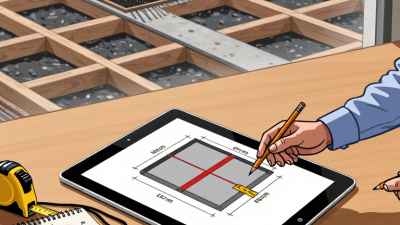
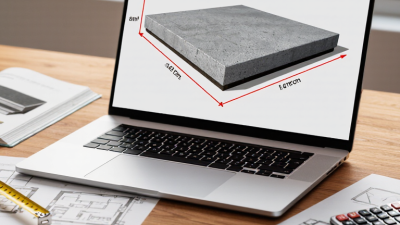
How much cement do you need for a slab, footing, or garden path? A cement estimate calculator can turn a few measurements into a useful starting figure. Enter the length, width, and thickness, then check the units before trusting the result. A small mistake matters. A four-inch slab entered as four feet would produce a wildly misleading estimate.
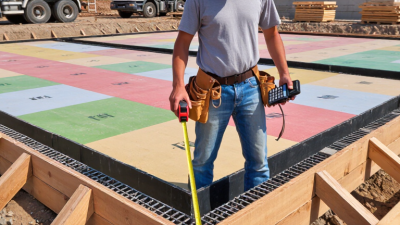
The calculation is straightforward: multiply the dimensions to find volume, then convert that volume to the units used for ordering. Still, the number on screen is not the whole job. Uneven ground, irregular forms, spillage, and compaction can affect the amount required. Measure several points where the base slopes. Keep your notes beside the formwork, not on a fading phone screenshot.
A reliable expert quotation was not included with the source material, so I won’t invent one or attribute words to a named estimator. Instead, keep this practical reminder in mind: “Treat the calculator’s answer as an estimate, then verify it against the site.” Before ordering, confirm whether your project needs bagged cement for a mix or ready-mix concrete; they are not interchangeable quantities. Check the product instructions, and ask a supplier or qualified contractor to review unusual shapes or large pours. Calculators help. They do not inspect the ground.
What a Cement Estimate Calculator Measures
A cement estimate calculator measures the material needed from the size of the area and the planned mix. For a slab, you enter its length, width, and thickness. A footing may need a different shape or depth. The calculator converts those dimensions into volume, often cubic feet or cubic meters, then uses the mix ratio to estimate cement quantity. That is the main measurement.
Some calculators also account for bag size and expected yield per bag. Others include a waste allowance for spills, uneven ground, or small measuring errors. Check what the tool assumes. A result of twelve bags can change if the bag weight or mix proportions differ. Cement is only one ingredient in concrete; sand, aggregate, and water also affect the final batch. That distinction is easy to miss.
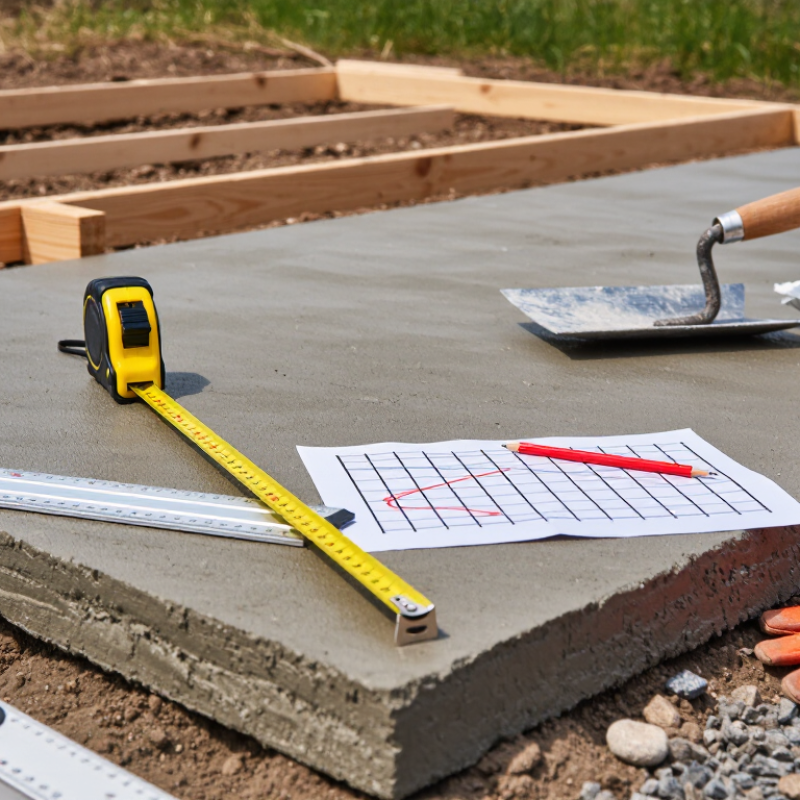
Treat the number as an estimate, not a guarantee. Measure the forms at several points, especially where the ground slopes. A small depth difference can add up across a wide slab. The calculator cannot see soft soil, awkward corners, or a form that bows outward. For load-bearing work, confirm the required mix and quantities with a qualified professional. The estimate helps with planning, but it does not replace sound design or careful site checks.
Which Project Dimensions and Mix Details to Enter
Measure the length, width, and planned thickness of a slab before entering dimensions. For a footing or post hole, use its actual shape and depth rather than the surface area alone. Keep units consistent; mixing inches with feet can distort the estimate. Small details matter.
For an irregular patio, divide the area into rectangles, calculate each section, then add the volumes. Enter the mix information requested, such as the intended concrete strength or cement-to-sand-and-aggregate ratio. A calculator may ask for bag weight, too. Check the label on the bag you plan to use, since sizes vary. Cement is only one ingredient; the finished concrete also needs aggregate and water.
Review whether the result shows total concrete volume or cement alone. Those are not the same quantity. Add a modest allowance for spillage, uneven ground, and material left in tools, but avoid guessing a large extra amount. I still recheck depth measurements, because a small error across a long slab can change the order substantially. If the project uses a specified mix design, follow that guidance instead of relying on a generic calculator setting.
How to Calculate the Required Concrete Volume
To calculate the required concrete volume, measure the length, width, and thickness of the area. Use the same unit for all three measurements. For a rectangular slab, multiply length by width by thickness. A 10-foot-by-12-foot patio with a 4-inch thickness needs 40 cubic feet of concrete, or about 1.48 cubic yards. Convert inches to feet before multiplying: 4 inches is one-third of a foot. Measure twice. Small errors in thickness can change the amount needed.
For steps, footings, or uneven areas, divide the shape into simple sections, calculate each section, then add the volumes. For a circular pad, use pi times the radius squared, multiplied by thickness. Add a modest allowance, often around 5 to 10 percent, for spillage, rough ground, and formwork variations. The right amount depends on the site. A sloped base may need more than the drawing suggests.
Concrete volume is not the same as cement volume. Concrete also contains aggregates and water, and the mix proportions affect how much cement it includes. Check the specified mix yield or consult a qualified supplier before estimating cement bags. I have found that the ground rarely matches a clean sketch perfectly, so verify measurements at the forms before ordering.
Cement Estimate Calculator: How Much Concrete Do I Need?
Estimates assume a 4-inch-thick square slab. Concrete volume is calculated as
length × width × thickness, then converted from cubic feet to cubic yards
(27 cubic feet = 1 cubic yard). The 10% allowance is an optional buffer for
spillage and uneven surfaces; values are rounded to two decimal places.
How to Convert Concrete Volume into Cement Quantity
Cement Estimate Calculator: How Much Cement Do I Need?
To convert concrete volume into cement quantity, start with the finished concrete volume, then choose a mix proportion suitable for the job. Cement is only one part of concrete; sand, aggregate, and water make up the rest. For a basic 1:2:3 mix, the six parts represent cement, sand, and aggregate by volume. A common estimating adjustment is to multiply the concrete volume by about 1.54 to allow for dry materials settling into the finished volume. Then divide by six to estimate cement volume.
For 1 cubic meter of concrete, that gives roughly 0.257 cubic meters of cement. At an approximate bulk density of 1,440 kilograms per cubic meter, the estimate is about 370 kilograms, or eight 50-kilogram bags when rounded up. Actual mix designs and bag sizes vary, so treat this as a planning estimate, not a specification.
Tips:
Measure the pour carefully, including depth changes around edges. Add a modest allowance for spillage or uneven ground, but avoid ordering far beyond the calculated need. Check the required mix design for structural work; a simple volume ratio may not meet project specifications. I recheck the units before ordering, because mixing cubic feet with cubic meters can quietly distort the result. It is an easy mistake. Bulk density also varies with cement handling, so bag weight is usually the more dependable ordering measure.
Which Factors Can Change the Cement Estimate
Which Factors Can Change the Cement Estimate
A cement calculator depends on more than length, width, and depth. Slab thickness can vary across a rough base, changing the concrete volume. A 10-by-10-foot slab poured four inches deep needs about 1.23 cubic yards before any allowance for uneven ground or spillage. Small changes matter.
The mix design also affects how much cement the concrete contains. NRMCA’s Concrete in Practice 1 gives typical concrete proportions of 60–75% aggregate, 10–15% cement, 15–20% water, and 5–8% air. These ranges show why concrete volume and cement quantity are not interchangeable. ACI 211.1-22 describes proportioning as dependent on factors such as strength, workability, aggregate properties, and air content. A wetter, easier-to-place mix may require adjustments; adding water casually can weaken the finished concrete.
Aggregate size, reinforcement, and the pour’s shape can also change the estimate. Narrow forms and corners are easy to overlook during measurement. Check dimensions at several points, especially where the base slopes. The numbers may look exact, but the site rarely is. A calculator is a useful starting point, not a substitute for a specified mix design or careful field measurements.
Cement Estimate Calculator: How Much Cement Do I Need? — Which Factors Can Change the Cement Estimate?
Use the reference estimates below to calculate the approximate number of cement bags for concrete. Estimates assume a dry-volume factor of 1.54 and a 50 kg cement bag with an approximate volume of 0.0347 m³.
Approximate Cement Requirement by Concrete Mix
Nominal Mix Ratio
(Cement : Sand : Aggregate) |
Approx. Cement per 1 m³ of Concrete |
Approx. Cement per 1 yd³ of Concrete |
Typical Context |
| 1 : 1.5 : 3 |
8.1 bags (about 405 kg) |
6.2 bags (50 kg each) |
Higher-cement nominal mix; confirm suitability with the project specification. |
| 1 : 2 : 3 |
7.4 bags (about 370 kg) |
5.7 bags (50 kg each) |
Common estimating example for a nominal concrete mix. |
| 1 : 2 : 4 |
6.3 bags (about 317 kg) |
4.8 bags (50 kg each) |
Lower cement content than a 1 : 2 : 3 nominal mix. |
| 1 : 3 : 6 |
4.4 bags (about 222 kg) |
3.4 bags (50 kg each) |
Lean nominal mix; not appropriate for every structural application. |
Example Volume Estimates for a 1 : 2 : 3 Nominal Mix
| Concrete Volume |
Calculated Cement, Before Allowance |
Cement to Allow for 10% Extra |
Approx. 50 kg Bags to Purchase |
| 0.5 m³ |
3.7 bags |
4.1 bags |
5 bags |
| 1.0 m³ |
7.4 bags |
8.2 bags |
9 bags |
| 2.0 m³ |
14.8 bags |
16.3 bags |
17 bags |
| 5.0 m³ |
37.0 bags |
40.7 bags |
41 bags |
Factors That Can Change the Cement Estimate
| Factor |
How It Affects the Estimate |
What to Check |
| Concrete mix design or strength requirement |
A different specified mix can require a different cement content. Nominal ratios are approximate and are not substitutes for a designed mix. |
Use the project specification or a qualified mix design. |
| Measured dimensions and concrete volume |
Errors in length, width, thickness, or unit conversion change the total volume and therefore the cement quantity. |
Measure each section and convert all dimensions to consistent units. |
| Waste, spillage, and uneven ground |
Extra concrete may be needed for spills, formwork leakage, over-excavation, or an irregular base. |
Add a suitable project-specific allowance; 5–10% is a common estimating range, not a guaranteed requirement. |
| Aggregate moisture and bulking of sand |
Moisture changes the measured volume of sand and contributes water to the mix, affecting proportioning and workability. |
Account for aggregate moisture when batching; do not rely on dry-volume estimates for precise production. |
| Aggregate size, grading, and shape |
Aggregate characteristics can influence the water demand and proportions needed to achieve the required workability and performance. |
Follow the approved mix design and supplier guidance. |
| Bag size and partial bags |
Bag weights vary by market and product, so the number of bags changes even when the required cement mass stays the same. |
Check the stated net weight on the bag and round purchase quantities up as needed. |
| Placement method and site conditions |
Pumping, difficult access, hot or windy weather, and placement losses can affect the amount ordered and the mix requirements. |
Discuss the conditions with the concrete supplier or project professional. |
Important: These figures are approximate planning estimates based on nominal volume proportions. Actual cement content depends on the approved mix design, materials, and site conditions. For structural work, use the specified mix and local building requirements.